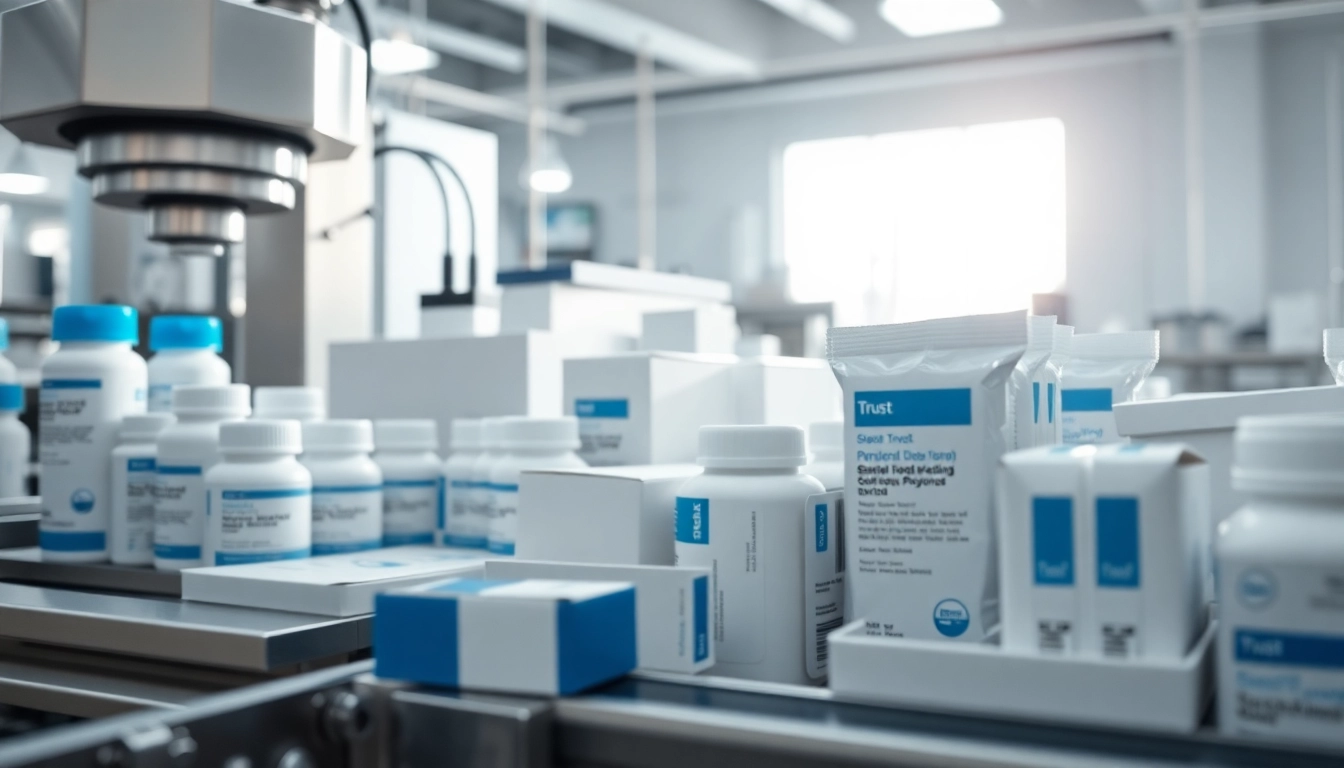
Understanding Pharmaceutical Packaging Services
What Are Pharmaceutical Packaging Services?
Pharmaceutical packaging services comprise a range of specialized processes and innovations aimed at ensuring that medications are packaged safely, securely, and in compliance with regulatory standards. These services encapsulate everything from the design and manufacture of packaging materials to the assembly, labeling, and distribution of the final products. A critical component in the pharmaceutical supply chain, pharmaceutical packaging services are designed to maintain the integrity of medications while facilitating market access and ensuring patient safety.
Importance of Pharmaceutical Packaging
The significance of effective pharmaceutical packaging cannot be understated. It plays a pivotal role in protecting medicines from environmental factors such as light, moisture, and temperature, which can compromise their efficacy. Furthermore, packaging is instrumental in preventing contamination, ensuring product safety from production through to consumption. Additionally, packaging serves to convey crucial information, such as dosage instructions, side effects, and patient information, making it a vital communication tool within healthcare.
Common Types of Packaging Solutions
Pharmaceutical packaging solutions vary widely based on the type of medication, intended shelf life, and regulatory requirements. Some of the most common types include:
- Blister Packs: Ideal for individual doses, ensuring compliance and protection.
- Vials: Commonly used for liquid medications, providing an airtight seal to maintain potency.
- Ampoules: Typically used for injections, ensuring sterility and preventing contamination.
- Bottles: Used for both liquids and solid formulations, often equipped with child-resistant caps.
- Sachets: Multi-dose packs that are convenient and often used for single-use applications.
Key Features of Effective Packaging
Regulatory Compliance in Pharmaceutical Packaging
Compliance with stringent regulations set forth by authorities like the FDA is non-negotiable in pharmaceutical packaging. Each package must undergo rigorous testing to ensure it meets safety standards related to materials, labeling, and child safety. The implications of failing to comply can lead to severe penalties, product recalls, and damage to brand reputation.
Sustainability in Pharmaceutical Packaging Services
The pharmaceutical industry has begun to embrace sustainability in packaging, focusing not only on functionality but also on environmental impact. Innovations such as recyclable materials, reduced packaging waste, and more efficient manufacturing processes are becoming standard practice. By minimizing the carbon footprint associated with packaging, companies not only meet consumer demand for environmentally-friendly solutions but also align with global sustainability goals.
Innovations Shaping Packaging Technology
The world of pharmaceutical packaging is perpetually evolving, with technological advancements paving the way for innovative solutions. Digital printing, smart packaging that includes QR codes, and interactive labels that provide real-time data about the product are just a few of the technologies reshaping the industry. These innovations improve traceability, enhance patient engagement, and streamline supply chain management.
Best Practices for Selecting Packaging Services
Evaluating Service Providers
When selecting a packaging service provider, companies should prioritize partners that demonstrate expertise, experience, and a robust compliance record. Key evaluation criteria include quality assurance processes, range of services offered, technological capabilities, and the flexibility to adapt to evolving market needs. Visiting facilities and speaking with existing clients can provide invaluable insights into reliability and quality.
Understanding Packaging Costs and Value
Determining the total cost of packaging services involves more than just unit pricing; it encompasses aspects such as production efficiency, waste reduction, and long-term durability of packaging materials. Businesses must assess the overall value associated with packaging, including how well it protects products and promotes brand integrity. Investing in high-quality packaging can reduce long-term costs associated with product loss and recalls.
Addressing Common Challenges in Sourcing
Companies may face various challenges in sourcing effective pharmaceutical packaging services, such as fluctuating material costs, regulatory changes, and supply chain disruptions. To address these, organizations should establish strong relationships with multiple suppliers, engage in proactive risk management strategies, and remain informed about industry trends. Moreover, utilizing technology for inventory management can add a layer of resilience to the supply chain.
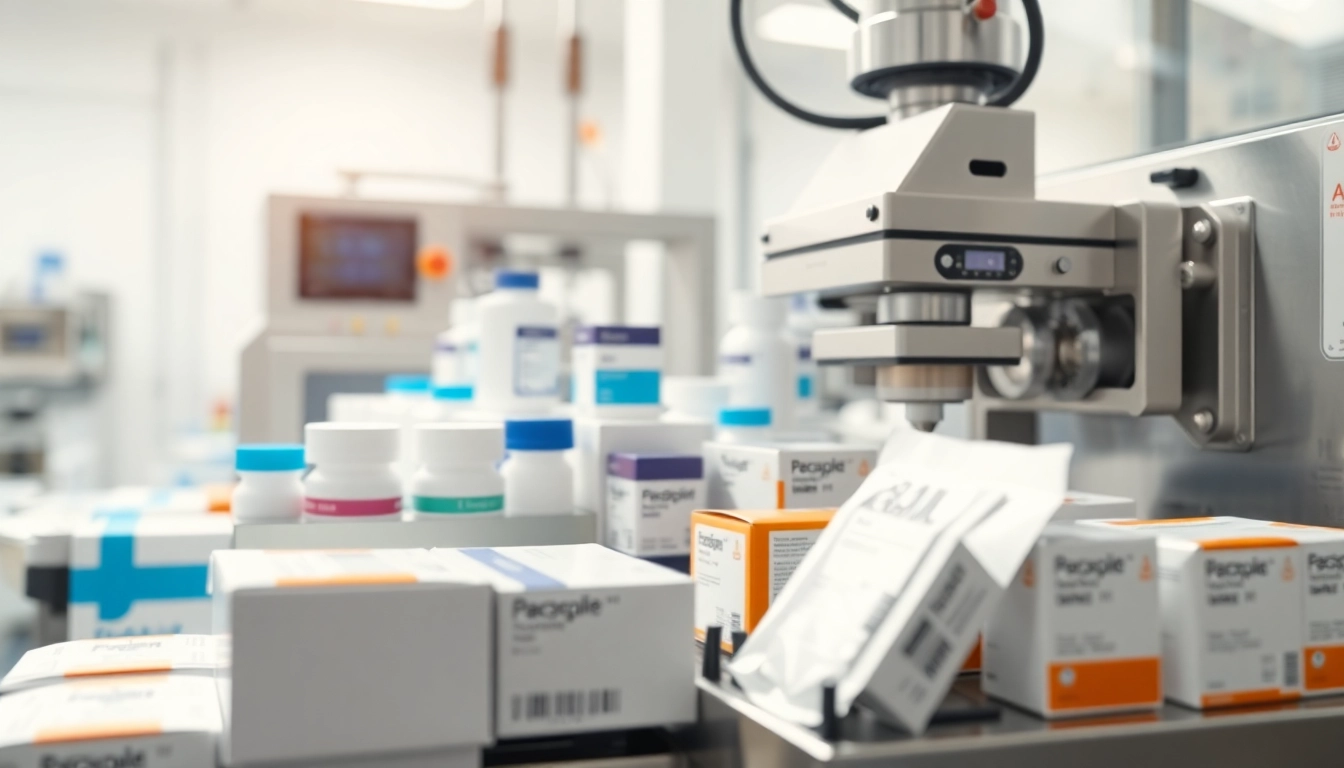
Case Studies: Successful Packaging Strategies
Impact of Packaging on Consumer Trust
Packaging is often the first interaction a consumer has with a pharmaceutical product. Effective packaging can enhance trust by clearly communicating quality and safety. For instance, known for its innovative design, a company that utilized tamper-evident seals and clear labeling saw an increase in consumer confidence and brand loyalty. Investments in user-friendly packaging designs contribute significantly to positive consumer experiences in pharmacies and direct-to-consumer sales.
Effective Solutions for Specialty Medications
Specialty medications often come with unique challenges requiring tailored packaging solutions. An example includes developing temperature-controlled packaging for biologics that need strict temperature regulation. By utilizing insulated containers and cold chain solutions, companies can ensure product integrity and compliance with health regulations, thus preventing costly wastage and ensuring patient safety.
Strategies for Overcoming Packaging Hurdles
Packaging hurdles, such as regulatory compliance issues or design limitations, can hinder product launches. Proactive strategies include conducting thorough market research to anticipate potential challenges and fostering collaboration among teams to innovate solutions early in the design process. Engaging in continuous testing and feedback loops with end-users can lead to packaging designs that meet both regulatory standards and consumer expectations.
Future Trends in Pharmaceutical Packaging
Emerging Technologies in Packaging
As the integration of technology in pharmaceutical packaging continues to accelerate, emerging innovations such as self-monitoring packaging and Internet of Things (IoT) integration are gaining traction. For example, packaging that can communicate with consumers via mobile apps offers new levels of engagement and safety assurance, as it can flag issues like temperature excursions in real-time.
The Role of Digitalization
Digitalization is revolutionizing pharmaceutical packaging services by fostering better data management, enhancing customization options, and allowing for quicker production cycles. Digital print technologies, for instance, enable shorter runs of personalized medicine packages that cater to patient-specific needs without the traditional overhead costs associated with large print runs. This shift greatly enhances agility in the market.
Predictions for the Upcoming Decade
Looking ahead, the pharmaceutical packaging landscape will likely witness increased investment in sustainable practices, a greater emphasis on patient-centric designs, and enhanced security features to combat counterfeiting. As healthcare continues to evolve, the packaging will adapt to serve an increasingly sophisticated consumer base that values transparency, security, and sustainability.
Frequently Asked Questions
What are the examples of pharmaceutical packaging?
Common examples include blister packs, vials, ampoules, bottles, and sachets, each serving specific needs for medication delivery and safety.
Why is packaging important in pharmaceuticals?
Packaging safeguards medication integrity, prevents contamination, and provides essential information to consumers and healthcare providers, enhancing safety and compliance.
How do packaging regulations affect pharmaceutical companies?
Regulations mandate safety and labeling standards, and non-compliance can result in penalties, recalls, and damage to reputation, making adherence crucial for success.
What trends are currently influencing pharmaceutical packaging?
Sustainability, technological innovations, and increased focus on user-friendly designs are among the key trends shaping the future of pharmaceutical packaging.
How can companies choose the right packaging service provider?
Evaluate providers based on compliance history, technological capabilities, service breadth, and customer testimonials to ensure they meet operational needs effectively.