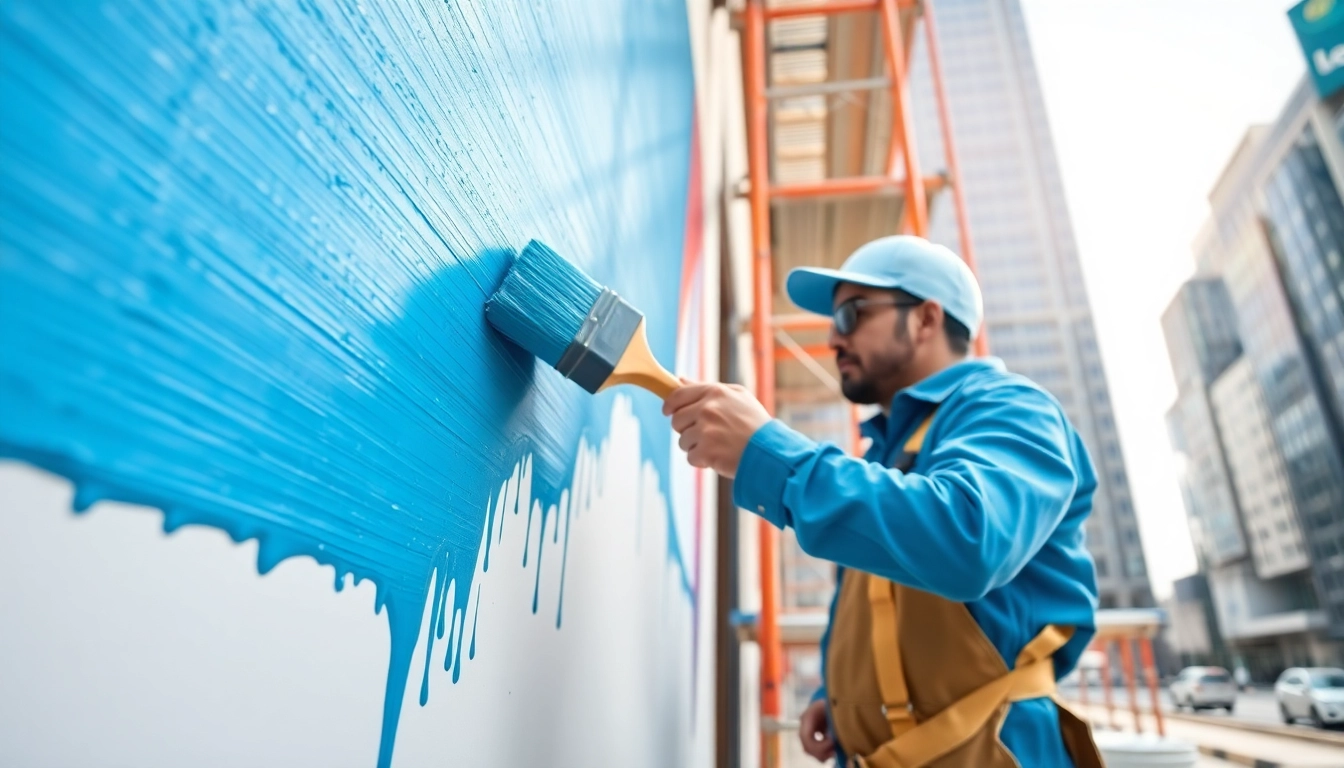
Understanding the Role of a Commercial Painter
What Does a Commercial Painter Do?
A commercial painter specializes in painting various commercial properties, including offices, retail stores, warehouses, and more. Unlike residential painters, who typically work in homes, commercial painters often handle larger projects with specific regulations and requirements. Their primary goal is to enhance the aesthetic appeal of a business space while ensuring a durable finish that can withstand the wear and tear of daily activities.
Types of Services Offered by Commercial Painters
Commercial painters provide a wide range of services to meet the unique needs of different businesses. These services include:
- Interior Painting: Preparation and painting of interior walls, ceilings, and fixtures to create a refreshing ambiance.
- Exterior Painting: Application of protective and aesthetic finishes on the building's exterior surfaces.
- Specialty Coatings: Usage of specific products designed for industrial settings, including anti-graffiti and high-heat resistant coatings.
- Wall Coverings: Installation of wallpapers, vinyl, and other decorative wall treatments that can complement the established brand image.
- Surface Preparation: Ensuring that surfaces are correctly prepared before painting, including sanding, priming, and repairs to achieve a flawless finish.
Benefits of Hiring Professional Commercial Painters
The advantages of hiring professional commercial painters extend beyond mere aesthetics. The key benefits include:
- Expertise and Knowledge: Commercial painters possess the skills and experience to assess surfaces and recommend the best painting practices.
- Quality Workmanship: They utilize high-quality materials and techniques, resulting in a longer-lasting paint job.
- Efficiency: Professional teams can complete projects faster due to proper planning and execution, minimizing disruption to business activities.
- Safety Compliance: Commercial painters are trained to adhere to safety standards and regulations, ensuring a safe working environment.
- Cost Savings: While hiring professionals incurs an upfront cost, it can save money in the long run by reducing the need for frequent touch-ups and repairs.
Choosing the Right Commercial Painter for Your Project
Key Qualities to Look for in a Commercial Painter
When selecting a commercial painter, it’s essential to look for specific qualities to ensure a successful outcome:
- Experience: A seasoned painter with proven experience in commercial projects is likely to deliver better results.
- Reputation: Look for online reviews or ask for references from previous clients to gauge reliability and quality.
- Insurance and Licensing: A reputable painter should carry liability insurance and any necessary licenses to protect both the workers and your property.
- Attention to Detail: Pay attention to how well the painter communicates and addresses your project needs; this is often reflective of their workmanship.
- Range of Services: Look for painters who offer a broad range of services to match your project’s specific requirements.
How to Evaluate a Painter's Portfolio
Evaluating a painter’s portfolio can provide insight into their style and capabilities. Here’s how to assess it:
- Assess Variety: Look for a diverse range of projects that reflect different painting styles and techniques.
- Check Quality: Pay attention to the detail and execution in the finished projects; look for clean lines and strong color application.
- Get Client Feedback: If possible, contact previous clients to inquire about their experience and satisfaction.
- Before and After Images: Before-and-after photos can illustrate the extent of the painter’s capabilities and the transformation they bring to a space.
- Visit Completed Projects: If feasible, visit locations where the painter has worked to see the quality of their work firsthand.
Questions to Ask Before Hiring
Before finalizing your decision, consider asking the following questions:
- What experience do you have with similar projects?
- Can you provide references or testimonials from past clients?
- What is included in your estimate, and how does your pricing structure work?
- What type of materials and paints do you recommend?
- How do you handle delays or unexpected issues during the project?
Preparing Your Space for a Commercial Painting Job
Steps to Prepare Your Site
Preparation is vital for achieving the best results in a commercial painting project. Here’s how to prepare effectively:
- Clear the Area: Remove furniture, decor, and any items that might obstruct the painting process.
- Repair Walls: Fill any cracks or holes in the walls to ensure a smooth surface for painting.
- Clean Surfaces: Dust and clean walls and surfaces to remove any grime that might affect paint adhesion.
- Communicate with Employees: Inform staff about the painting schedule and any necessary precautions they should take.
- Establish a Safe Environment: Ensure the workspace is safe and ventilated for both employees and the painters.
Common Challenges and How to Overcome Them
Commercial painting projects can encounter various challenges. Knowing these in advance can help mitigate issues:
- Weather Conditions: Moisture or extreme temperatures can impact drying and paint adhesion. Always check the weather forecast before scheduling.
- Time Constraints: Balancing painting with ongoing business operations may lead to rushed jobs. Proper scheduling and planning can alleviate this.
- Employee Distraction: Employees may need to navigate around the work area. Clear communication and setup of barriers help minimize disruptions.
- Material Shortages: Ensure all materials are on hand before starting to avoid delays in the project timeline.
Safety Precautions for Commercial Painting
Safety should always be a priority when undertaking a painting project. Essential safety measures include:
- Personal Protective Equipment (PPE): Ensure that painters wear appropriate gear, including masks, gloves, and goggles.
- Proper Ventilation: Open windows or use fans to ensure adequate airflow and minimize inhalation of fumes.
- Signage: Use warning signs to inform employees and visitors of the work being performed.
- Emergency Protocols: Be prepared for accidents by knowing emergency procedures and having first aid readily available.
The Painting Process: What to Expect
Initial Consultation and Color Selection
The initial consultation is vital in setting the foundation for a successful painting project. This phase typically involves:
- Assessing Needs: Discuss the scope of work, desired outcomes, and timelines with the commercial painter.
- Color Consultation: Professional painters can offer insights into color psychology and how it aligns with your brand image.
- Sample Applications: Many paint companies provide sample colors to help visualize the final result; experimenting with swatches can be beneficial.
Execution: From Prep to Final Coat
The execution phase involves several important steps:
- Surface Preparation: Properly preparing surfaces is crucial for a high-quality finish, including priming as needed.
- Applying Primer and Paint: Typically, a primer coat is applied first, followed by at least one or two coats of the chosen paint.
- Quality Control: Painters should frequently inspect their work to ensure the finish meets quality standards, making adjustments as needed.
Final Walkthrough and Touch-Ups
Once painting is complete, a final walkthrough is conducted to ensure satisfaction with the work. During this stage:
- Inspect the Work: Both the client and commercial painter should look for any inconsistencies or areas that may require touch-ups.
- Addressing Feedback: Any concerns raised by the client should be promptly addressed to ensure satisfaction.
- Post-Project Cleanup: A thorough cleanup should be completed, leaving the premises neat and ready for business use.
Measuring Success: Evaluating the Impact of a Fresh Paint Job
How Fresh Paint Influences Business Perception
The appearance of a business significantly impacts customer perceptions. A well-painted facility can:
- Enhance Curb Appeal: An attractive exterior draws customers, inviting them to enter and engage with your business.
- Project Professionalism: Clean, well-maintained surroundings convey reliability and competence to customers.
- Reflect Brand Identity: Colors and finishes can communicate your brand's personality, reinforcing recognition and loyalty.
Tracking Improvements in Aesthetics and Functionality
After completing a painting project, monitoring changes in aesthetics and functionality can provide valuable feedback, including:
- Customer Feedback: Gathering customer opinions on the new look can help assess the impact of the redesign.
- Employee Satisfaction: Employees often feel more motivated and productive in a well-decorated environment.
- Increased Business Activity: A visually appealing space can lead to increased foot traffic and higher sales.
Long-Term Maintenance Tips from a Commercial Painter
To ensure your paint job lasts and looks great for years to come, consider these maintenance tips:
- Regular Cleaning: Use a gentle detergent and water to clean walls; avoid harsh chemicals that can damage the finish.
- Timely Touch-Ups: Address scratches or chips promptly to prevent further damage to the paint.
- Seasonal Inspections: Conduct regular inspections to identify any areas that may require maintenance before they become significant issues.
- Professional Touch-Ups: Hire a professional for larger touch-ups or re-paints to ensure consistent quality.
FAQs about Commercial Painting
1. How long will a commercial paint job last?
A well-executed commercial paint job can last anywhere from 5 to 10 years, depending on the quality of materials used and environmental factors.
2. What type of paint is best for commercial spaces?
High-quality acrylic latex paints are generally preferred for commercial spaces due to their durability and ease of cleaning.
3. Is it necessary to move furniture before painting?
Yes, removing or covering furniture ensures a clear workspace and protects items from paint splatters and dust.
4. How can I choose the right color for my business?
Consider your brand identity, target audience, and the psychology of colors to select hues that resonate with your customers.
5. Should I hire a commercial painter or do it myself?
Hiring a commercial painter ensures professional quality, safety, and efficiency, saving time and effort compared to a DIY approach.
Contact Information
Address:Branam Brushworks LLCCall Us:+12076168892