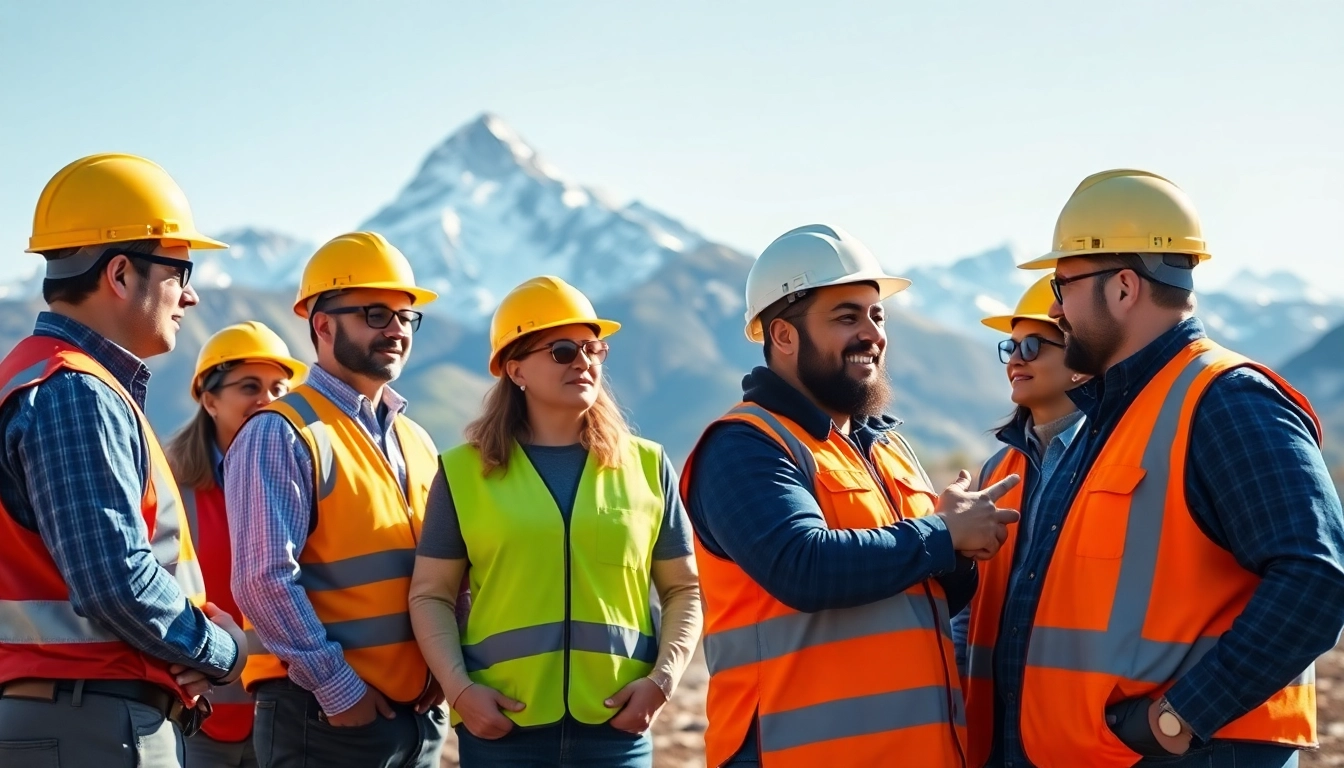
Understanding Mental Health in Colorado's Construction Industry
The construction industry is a vital component of Colorado's economy, but it is also one that places significant emotional and psychological demands on its workers. As the complexities of projects increase and the pace of work accelerates, many construction workers often find themselves grappling with mental health issues. It’s essential to cultivate an environment that prioritizes mental health, especially in such a demanding sector. Acknowledging issues like stress, depression, and anxiety can be the first step toward creating a culture of well-being within construction sites across the state. Working in the construction industry exposes workers to various stressors including long hours, physical demands, and job security concerns, making it imperative to address the topic of construction mental health colorado head-on.
The Importance of Mental Health Awareness
The importance of mental health awareness in the construction sector cannot be overstated. Mental health issues can lead to decreased productivity, increased accidents, and overall a toxic work environment. Workers may feel reluctant to speak about their struggles due to stigma or fear of judgment, which further perpetuates the cycle of silence surrounding mental health. Education is key; by implementing training programs that focus on mental health literacy, we can help workers recognize the signs of distress in themselves and their peers. This clarity promotes proactive measures and the pursuit of necessary help.
Common Mental Health Challenges Faced
Construction workers often face unique mental health challenges. From unpredictable working hours and job instability to the physical toll that the work can take, the challenges are multifaceted. Some common issues include:
- Stress: High-pressure deadlines and demanding physical tasks can lead to chronic stress.
- Anxiety: Worry about job security or project completion can contribute to heightened anxiety levels.
- Depression: Isolation from peers and lengthy hours can lead to feelings of loneliness and depression.
- Substance Abuse: Some workers may turn to coping mechanisms, including substance abuse, to deal with their mental health challenges.
Statistics on Mental Health in Construction
Statistics provide a stark reminder of the importance of addressing mental health in the construction sector. Recent studies have indicated that construction workers are at a higher risk of suicide compared to the general population, with suicide rates being alarmingly high among trade workers. Additionally, more than half of construction professionals report feelings of anxiety or depression. Recognizing these statistics is essential for fostering a sense of urgency around mental health initiatives in the workplace.
Building a Supportive Environment for Mental Health
Creating a supportive work environment is key in addressing mental health concerns in construction. Workplaces that prioritize psychological well-being can dramatically reduce the stigma associated with mental health issues, fostering open dialogue and encouraging employees to seek help. It involves creating systems, practices, and culture that support mental well-being.
Creating Open Communication Channels
To foster a culture of mental health awareness, organizations must create open communication channels. This involves arranging regular check-ins where workers can share their thoughts and feelings in a safe space. Encouraging managers to be approachable and available can further enhance these communication pathways. Establishing a dedicated mental health liaison or champion within the team can also serve as a valuable resource.
Implementing Training and Resources
Training is essential for equipping workers with the knowledge necessary to identify mental health issues both in themselves and their colleagues. Workshops focusing on mental health first aid and stress management can be instrumental in providing workers with coping strategies. Furthermore, resources such as brochures, toolkits, or access to digital wellness platforms can be beneficial. Regularly reminding workers about the availability of these resources is crucial.
Encouraging Peer Support Programs
Peer support programs are valuable in creating a sense of community among workers. These programs encourage workers to look out for each other and to share their concerns in a non-judgmental setting. Training designated peer supporters to act as mental health first-aiders can be extremely impactful. These individuals can provide immediate support and referrals to professional services when necessary.
Strategies to Boost Mental Health in the Workplace
To effectively boost mental health in construction workplaces, organizations must implement targeted strategies that address the specific needs of their workforce. Proactive approaches can significantly enhance worker morale and productivity, leading to a more successful operation overall.
Recognizing Signs of Stress and Burnout
Understanding how to recognize the signs of stress and burnout is crucial. Workers experiencing chronic fatigue, irritability, decreased productivity, or disengagement may need additional support. Training supervisors to identify these signs can lead to early interventions. Regular discussions about mental health and stress can also help normalize these conversations, making it easier for workers to reach out when they are struggling.
Incorporating Wellness Activities
Wellness activities can be a powerful tool in promoting mental health in construction environments. Initiatives that encourage physical health—like yoga classes, group exercises, or mental health days—can help workers manage stress and enhance their overall well-being. Encouraging breaks during long shifts is also essential, allowing workers to recharge and reflect on their mental state.
Establishing a Positive Work Culture
A positive work culture is indispensable when addressing mental health in the construction industry. This includes recognizing achievements, promoting team collaboration, and ensuring workers feel valued. Organizations should advocate for a culture where mental health discussions are welcomed and supported, reducing stigma and fostering an environment of empathy and understanding.

Resources Available for Construction Workers in Colorado
Access to resources is crucial in supporting mental health among construction workers. Organizations, state programs, and community alliances provide a wealth of support and information for individuals seeking help.
Accessing Mental Health Services
Workers in Colorado should be aware of various mental health services available to them. Multiple organizations offer counseling and therapy options tailored specifically for construction workers. Employee assistance programs (EAPs) can provide confidential support and resources for dealing with emotional challenges. Ensuring that workers can easily access these services helps alleviate some of the barriers to seeking help.
Legal Protections for Mental Health Issues
Understanding legal protections for mental health issues is critical for construction workers. The Americans with Disabilities Act (ADA) protects workers from discrimination based on mental health conditions. It's important for workers to know their rights regarding mental health at their jobs, to help them advocate for necessary adjustments and support when needed.
Building Community Support Networks
Community support networks, both online and offline, play a pivotal role in addressing mental health challenges. Local support groups can provide a welcoming environment for workers to share their experiences and encouragement. Workers should be encouraged to connect with these networks, as they often provide invaluable resources and camaraderie.
Measuring the Impact of Mental Health Initiatives
Establishing metrics to assess the effectiveness of mental health initiatives is key for continuous improvement. Measuring outcomes helps organizations determine what is working and what will require adjustments.
Tracking Employee Well-Being Metrics
Employers should track specific metrics related to employee well-being, such as absenteeism rates, engagement scores, and turnover rates. Surveys and assessments can provide insights into the mental health climate of the workplace. Using these metrics to adapt programs will ensure ongoing support and relevance for workers.
Evaluating Program Effectiveness
Regularly evaluating the effectiveness of mental health programs is vital for sustained success. Feedback from employees can help refine existing initiatives, ensuring they address the real needs of workers. Including quantitative and qualitative data will provide a holistic view of program impact and areas for improvement.
Testimonials and Real-World Success Stories
Sharing testimonials from workers who have benefitted from mental health initiatives can inspire others to seek help. Success stories can serve as powerful motivators, illustrating the positive changes that come from addressing mental health proactively. Highlighting these stories within the organization not only encourages openness but also promotes a culture of empathy toward mental health.
Frequently Asked Questions
1. Why is mental health important in construction?
Mental health is crucial in construction as it affects job performance, safety, and overall well-being. Addressing these issues can prevent accidents and boost productivity.
2. What common mental health issues do construction workers face?
Common issues include stress, anxiety, depression, and substance abuse, often exacerbated by long hours and job pressures.
3. How can construction companies support mental health?
Companies can support mental health by creating open communication channels, offering training, and implementing wellness programs tailored to workers' needs.
4. What resources are available for construction workers in Colorado?
Resources include local counseling services, employee assistance programs, mental health hotlines, and community support groups.
5. How can I recognize burnout in my colleagues?
Signs of burnout include decreased productivity, increased irritability, emotional exhaustion, and a lack of enthusiasm for work.