Understanding Driveway Cleaning
What is driveway cleaning?
Driveway cleaning is a specialized process that involves the removal of dirt, stains, and debris from driveways, particularly those made of concrete, asphalt, or pavers. This cleaning can be performed using a variety of methods, including pressure washing and chemical treatments, depending on the material and the extent of the staining. The objective is to restore the driveway's appearance and extend its lifespan through regular maintenance.
Importance of driveway cleaning
Regular driveway cleaning is essential for several reasons. Firstly, it enhances curb appeal, positively impacting the overall aesthetics of your property. A clean driveway can significantly increase the value of your home. Secondly, eliminating grime, mold, mildew, and oil stains reduces the risk of potential slip hazards and promotes safety. Lastly, regular maintenance can help you avoid costly repairs by extending the lifespan of your driveway materials.
Common materials and their cleaning needs
Different driveway materials have unique cleaning requirements. For instance:
- Concrete: Typically requires pressure washing and can withstand heavy-duty cleaning solutions to remove tough stains.
- Asphalt: More sensitive and can be damaged by high-pressure cleaning; usually requires milder detergents and lower pressure to avoid stripping away oils.
- Pavers: Need solutions that won't harm the joint sand between them; often treated with a combination of pressure washing and eco-friendly cleaners.
Preparation for Driveway Cleaning
Tools and equipment needed
To effectively clean your driveway, you will need the following tools and equipment:
- Pressure washer (minimum 1500 PSI)
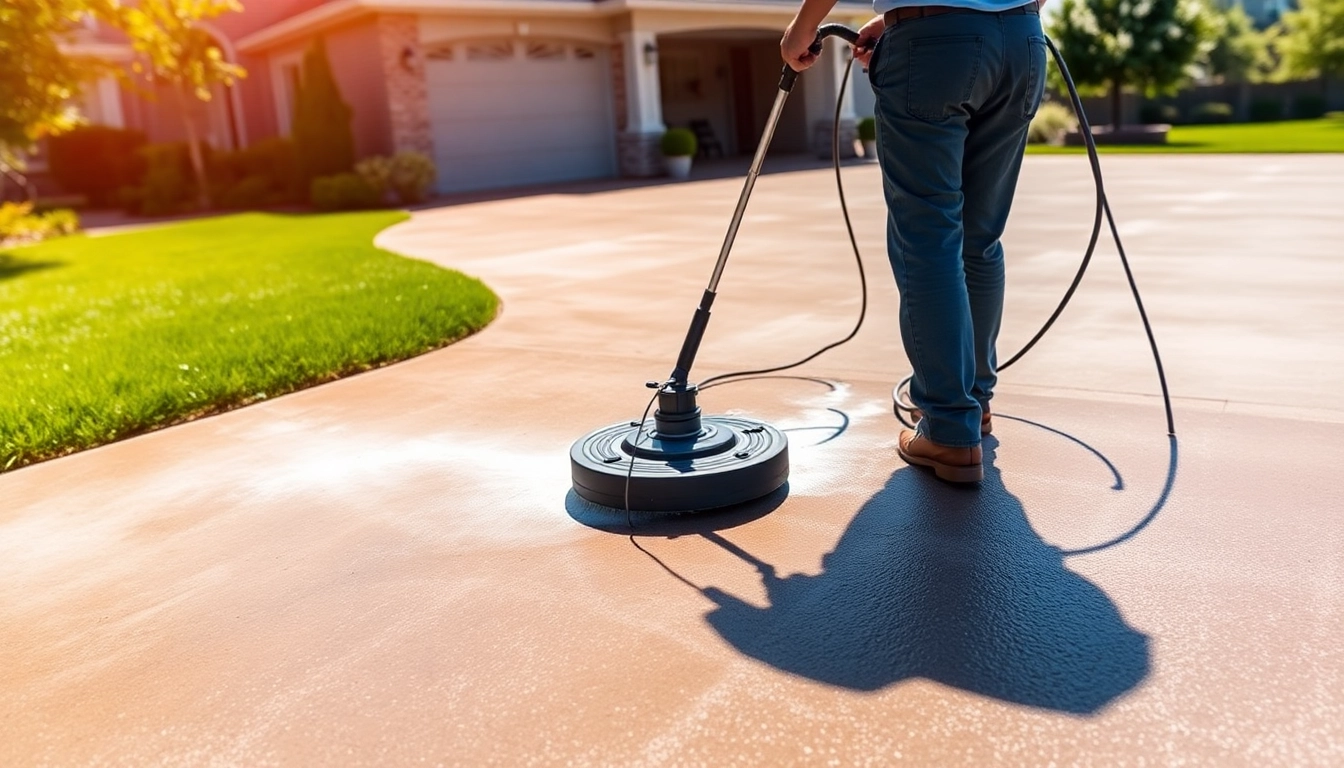
- Surface cleaner attachment
- Broom or leaf blower for debris removal
- Scrub brush for stubborn stains
- Safety gear (goggles, gloves, mask)
- Cleaning solutions (detergents, degreasers)
Choosing the right cleaning solution
Your choice of cleaning solution depends on the specific stains and the material of your driveway. For example:
- Concrete: Use an alkaline cleaner for grease and stains.
- Asphalt: Opt for a biodegradable cleaner to protect the oils in the pavement.
- Pavers: A paver cleaner that restores color without damaging joint sand.
Always check product labels to ensure compatibility with your driveway type.
Safety precautions to follow
When cleaning your driveway, follow these safety precautions:
- Wear appropriate personal protective equipment, including gloves, goggles, and masks.
- Ensure proper ventilation when using chemical cleaners.
- Keep children and pets away from the cleaning area.
- Be aware of electrical outlets and connections around the driveway to avoid hazards.
Step-by-Step Driveway Cleaning Process
How to prepare your driveway
Begin by clearing the driveway of any loose debris such as leaves, rocks, and dirt using a broom or leaf blower. Inspect the surface for any oil stains or discoloration that may require special attention.
Effective cleaning techniques
Follow these steps for an effective driveway cleaning process:
- Apply the chosen cleaning solution to the driveway and let it sit for the recommended time.
- Using the pressure washer, start at the highest point of the driveway and work your way down to ensure proper drainage.
- Use a surface cleaner attachment to achieve a uniform clean without streaks.
- Rinse the surface thoroughly to ensure that no cleaner residue remains.
Post-cleaning maintenance tips
After cleaning, allow your driveway to dry fully. Consider applying a sealant to protect it from future stains and wear. Regularly remove debris and clean spills immediately to maintain its appearance.
Cost and Service Options
Average costs for driveway cleaning
The cost of driveway cleaning can vary significantly based on material, size, and location. On average, you can expect to pay between $0.30 and $0.55 per square foot for professional services. DIY cleaning can save costs but may require more time and effort.
DIY vs. professional driveway cleaning
While DIY cleaning can be cost-effective, hiring professionals ensures thoroughness and can save time. Professionals use advanced equipment and methodologies that might not be available for regular homeowners. Additionally, they can better identify and address underlying issues.
Choosing a service provider
When selecting a professional cleaning service, consider factors such as experience, customer reviews, and the types of equipment used. It's advisable to choose a company that specializes in driveway cleaning for optimal results.
Frequently Asked Questions about Driveway Cleaning
How often should I clean my driveway?
Cleaning your driveway at least once a year is recommended, but high-traffic areas may benefit from more frequent cleanings, such as every six months.
Can I use bleach for driveway cleaning?
Using bleach is generally not recommended as it can harm surrounding plants and degrade certain driveway materials. Opt for specialized cleaners instead.
What’s the best time of year for driveway cleaning?
The optimal times for driveway cleaning are spring and fall when the weather is mild. Avoid cleaning during extreme temperatures or rainy conditions.
How do I remove oil stains from my driveway?
For oil stains, apply a degreaser or a mixture of baking soda and water, scrub the area, and let it sit before rinsing with a pressure washer.
Is it necessary to seal my driveway after cleaning?
Sealing is advisable as it protects from stains and weather damage, prolonging the driveway's lifespan and keeping it looking new.