Understanding Equipment Service
Definition of Equipment Service
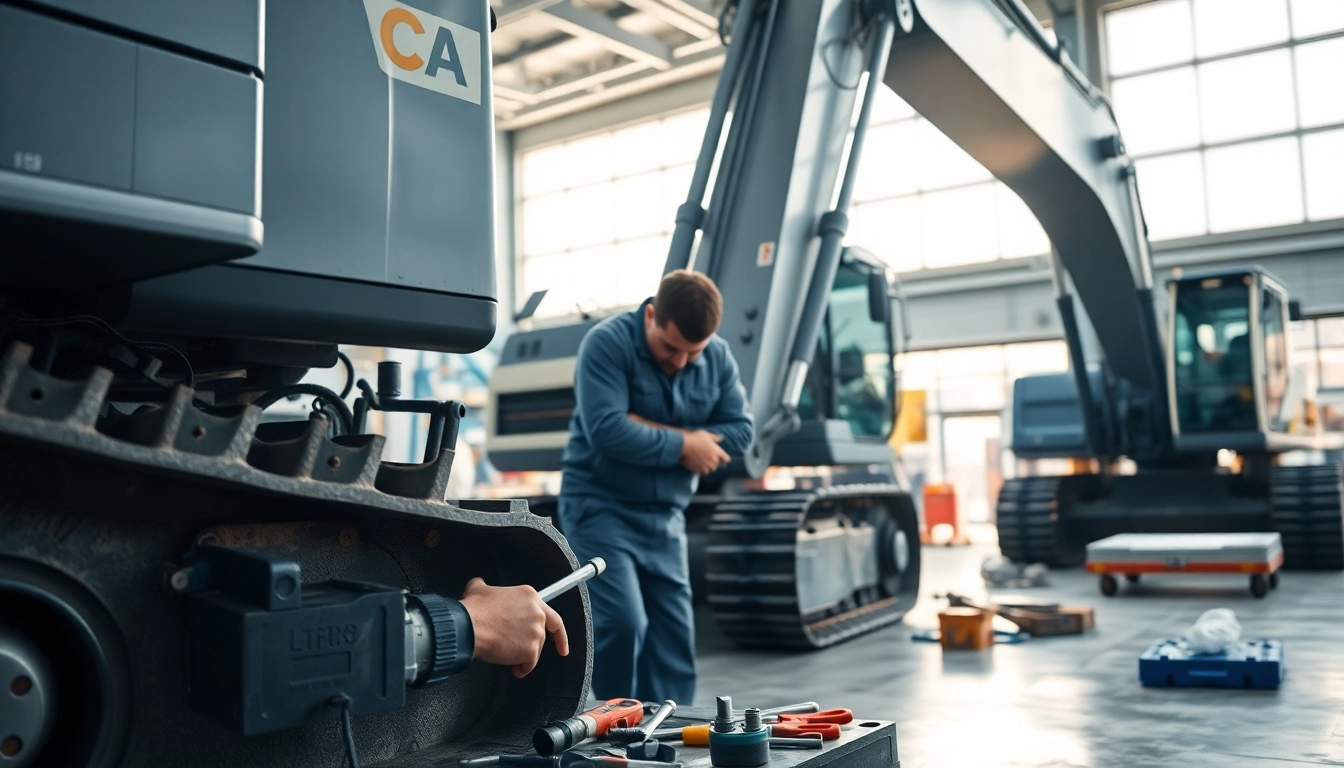
Equipment service encompasses the comprehensive processes of maintaining, repairing, and ensuring the optimal functionality of machinery across various industries. This service can include regular inspections, servicing, installation, troubleshooting, and repair, tailored to meet the unique operational needs of any equipment involved in a wide range of applications—from heavy machinery to specialized technical tools. Understanding the precise definitions and expectations around equipment service is fundamental for business continuity and operational efficiency.
Importance of Timely Maintenance
Timely maintenance of equipment is critical for ensuring operational efficiency, safety, and cost-effectiveness. Neglected machinery can lead to unexpected breakdowns, which can result in costly repairs and downtime. Regular servicing helps in identifying small issues before they escalate into significant problems, thus ensuring that equipment operates at its best. Moreover, predictive maintenance strategies can extend equipment lifespan and eliminate safety hazards, assuring compliance with industry regulations.
Types of Equipment Services
There are various types of equipment services designed to address the specific needs of different machinery. Key categories include:
- Preventive Maintenance: Scheduled maintenance aimed at preventing equipment failure.
- Predictive Maintenance: Utilizing data and analytics to predict when maintenance should be performed.
- Corrective Maintenance: Reactive maintenance carried out after a failure has occurred.
- Adaptive Maintenance: Updates and modifications made to keep equipment up to date with new technologies or requirements.
Choosing the Right Equipment Service Provider
Evaluating Qualifications and Experience
Selecting the right equipment service provider starts with assessing their qualifications and history. Look for certifications, industry experience, and proven track records. A reputable provider will have trained technicians who specialize in various aspects of equipment handling. Checking for professional affiliations and licensing can further affirm their credibility.
Service Offerings and Specializations
Not all providers offer the same range of services. Some may focus on specific types of equipment or industries. It is crucial to ensure that the provider you choose can address your particular needs, whether it involves routine maintenance, emergency repairs, or complex installations. In-depth consultations can help clarify the capabilities of prospective service providers.
Comparing Customer Reviews
Customer feedback is an invaluable resource when evaluating equipment service providers. Online reviews, testimonials, and case studies can provide insights into the reliability and quality of the service. Prioritize providers with positive feedback regarding their timeliness, professionalism, and effectiveness in resolving issues.
Common Equipment Issues in Service
Electrical Failures
Electrical issues pose a serious threat to equipment functionality and safety. Common electrical failures include wiring malfunctions, circuit breaker trips, and sensor failures. Regular inspections and prompt troubleshooting can minimize these risks, ensuring that equipment remains operational and safe to use.
Hydraulic System Problems
Hydraulic systems are critical for the functionality of many heavy machines. Problems such as leaks, faulty pumps, or low fluid levels can lead to inefficient operation or complete breakdown. Regular monitoring of hydraulic systems and adherence to manufacturer guidelines can prevent such issues from arising.
Engine Overheating and Performance Drops
Engine performance is vital for equipment efficiency. Overheating can result from inadequate coolant levels, blocked air filters, or contaminated fuel. An effective maintenance routine focusing on engine inspections can catch these problems early, preventing critical failures and performance drops in operations.
Best Practices for Equipment Maintenance
Creating a Regular Maintenance Schedule
A well-structured maintenance schedule is key to ensuring longevity and reliability of equipment. Scheduling regular inspections and maintenance checks helps keep track of service needs and compliance requirements. Setting reminders and using management software can help streamline these processes.
Utilizing Preventive Maintenance Strategies
Preventive maintenance is a proactive strategy aimed at reducing the likelihood of equipment failure. This can include routine checks, lubrication, and part replacements according to manufacturer recommendations. Employing this approach not only saves costs in the long run but also enhances operational efficiency.
Leveraging Technology for Better Management
The integration of advanced technologies like IoT sensors, data analytics, and maintenance management software can greatly enhance equipment service efficiency. Real-time monitoring can provide insights into equipment performance, facilitating timely interventions and optimizing service schedules.
FAQs about Equipment Service
What is the meaning of equipment services?
Equipment services refer to activities involved in selling, installing, repairing, and maintaining equipment, ensuring they operate efficiently and comply with regulations.
What are the benefits of regular equipment servicing?
Regular servicing helps extend the lifespan of equipment, reduces unexpected breakdowns, enhances operational efficiency, and ensures safety compliance.
How often should I schedule equipment service?
The frequency of servicing depends on the type of equipment, its usage, and manufacturer recommendations, generally ranging from monthly to annually.
What types of equipment require maintenance?
All machinery, including heavy equipment, HVAC systems, and electrical tools, require regular maintenance to ensure optimal performance and safety.
Can I perform any maintenance on my equipment myself?
Some routine maintenance tasks, like cleaning and replacing filters, can be performed by users. However, complex repairs should be left to qualified professionals.