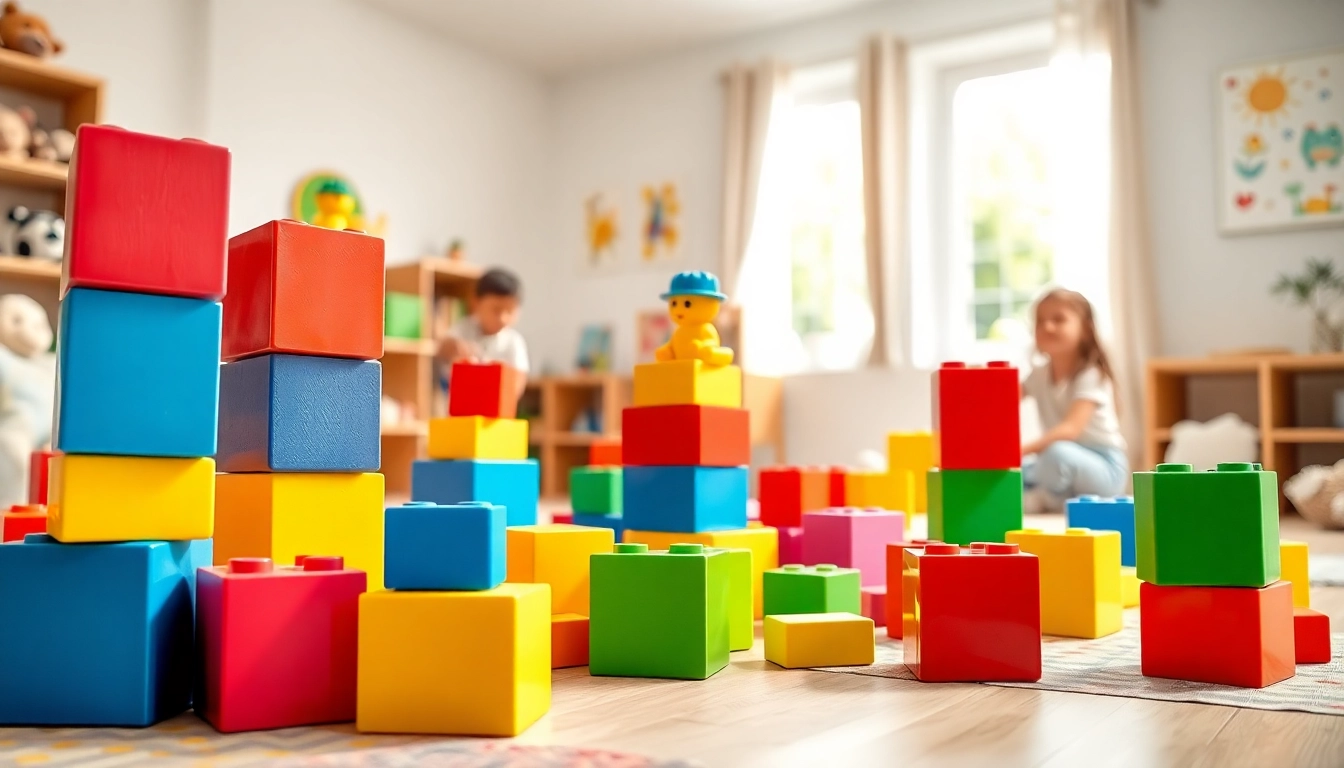
1. Introduction to Giant Building Blocks
Understanding the Appeal of Building Blocks
Giant building blocks have captured the imagination of children and parents alike, serving as a vibrant gateway to creativity and exploration. These oversized toys draw kids in with their bright colors and substantial size, making them visually appealing and tactilely inviting. Unlike traditional building sets, giant blocks offer a three-dimensional experience that encourages free play and experimentation. They embody a unique blend of safety and excitement, allowing kids to construct anything from simple shapes to elaborate structures. The sense of accomplishment in building larger-than-life creations not only enhances self-esteem but also nurtures a love for building and creation. For those interested in reading more insights into this topic, discover more about how these toys have changed indoor playtime.
The Benefits of Creative Play
Creative play is crucial for a child’s development, and giant building blocks provide a platform for this essential exploration. Engaging with these blocks helps refine motor skills, enhances problem-solving abilities, and fosters cognitive growth. As children manipulate shapes, balance structures, and envision their creations, they learn vital STEM concepts such as gravity, balance, and spatial awareness. Furthermore, this type of imaginative play encourages emotional expression and resilience; children often learn to adapt their designs when things don’t go as planned. As a result, giant blocks serve as an excellent medium for fostering creativity and critical thinking, equipping children with foundational skills they'll use throughout life.
Choosing the Right Size and Material
Selecting the proper giant building blocks for your child involves careful consideration of size and material. Blocks made from high-density foam are ideal for indoor play, as they are lightweight and pose minimal risk of injury. In contrast, plastic blocks offer durability and are easier to clean, but they may be heavier. When considering size, it's vital to choose blocks large enough to prevent choking hazards but easily handled by small hands. A mix of sizes encourages varied play experiences; larger blocks can lay the foundation for structures, while smaller ones allow for intricate designs. Always ensure that any product you choose is age-appropriate and meets safety standards.
2. Fun Ways to Use Giant Building Blocks
Indoor Forts: Building for Imagination
One of the most engaging uses for giant building blocks is constructing indoor forts. A fort can serve as a child's personal sanctuary where they can play, read, or engage in imaginative role-playing. Building an indoor fort encourages children to work together, planning the design and discussing structural integrity. As they create their own space, they learn collaboration and negotiation skills. Parents can also participate in this activity, turning an ordinary day into an extraordinary adventure. By adding blankets or cushions to the construction, you can enhance the comfort and enjoyment of the resulting fort.
Obstacle Courses: Encourage Physical Activity
Why not transform playtime into a dynamic physical exercise session? Using giant building blocks, parents can set up an obstacle course that requires children to climb, crawl, and navigate through the structures. This not only aids in developing physical strength but also improves agility and coordination. Moreover, obstacle courses can be themed—such as a jungle trek or a construction site—that adds an element of storytelling, making physical activity much more appealing. This active play helps children expend energy while encouraging imaginative thinking and problem-solving as they choose their routes through the course.
Collaborative Projects: Teamwork with Friends
Encouraging teamwork through collaborative building projects can have lasting benefits for social skills and relationship-building. Organizing group sessions where children can work together on more substantial structures can lead to impressive results while teaching the importance of communication and cooperation. Projects might include building a giant staircase, a complex bridge, or a replica of a favorite character or object. Facilitating these activities can help children learn to respect diverse ideas and appreciate teamwork, which are essential life skills.
3. Safety Considerations When Playing Indoors
Choosing Non-Toxic Materials
Given the importance of safety during indoor play, ensuring that all giant building blocks are made from non-toxic materials should be a priority for parents. Many manufacturers have begun to produce blocks from eco-friendly materials that are safe for children, free from harmful chemicals or sharp edges. Look for certifications or safety ratings that guarantee the materials meet industry standards. When you choose non-toxic building blocks, you not only ensure a safe play environment but also support sustainable practices that benefit our planet.
Setting Up Safe Play Areas
Safety also extends beyond the materials used; the playing environment must be carefully arranged. Create a dedicated play area devoid of sharp corners, fragile objects, or hard surfaces that could cause injuries. Use soft carpets or padded mats underneath the play zone to cushion falls. Additionally, ensure the area is free from any tripping hazards that could derail excitement. Proactively planning a safe space allows joyful play without constant worry, leading to a more enriching experience for both children and parents.
Teaching Safety Rules to Kids
Instilling safety rules in your children is vital before engaging in play with giant building blocks. Teaching them to lift, not throw, and to respect the boundaries of the structures they construct prevents accidents. Role-playing safety scenarios can reinforce the importance of these rules in an engaging manner. Encourage them to communicate when they need help or if they feel unsure about a project. Developing habits of safety not just during playtime but in other aspects of their life can lead to responsible behavior as they grow.
4. Creative Themed Building Challenges
Building Famous Landmarks
One creative challenge that can engage children for hours is building famous landmarks. This activity enhances geographical awareness and cultural appreciation while offering endless opportunities for discussion and discovery. Children can create replicas of the Eiffel Tower, the Great Wall of China, or the Statue of Liberty. To make it more educational, combine the building challenge with fun facts about each landmark, allowing children to learn while they play. Encourage them to innovate and add their twists, fostering both creativity and critical thinking.
Creating Custom Vehicles
Another exciting challenge involves designing and constructing custom vehicles. Children can use their imagination to create anything from race cars to space shuttles. This activity can spark interest in areas like engineering and design. Encourage them to think about how their vehicle could operate in real life—what features it should have and why. This challenge not only inspires imaginative play but also nurtures the skills of planning and execution. When they finish, a “vehicle parade” can turn into a fun community event within the play area.
Themed Playdates: Adventure Awaits!
Themed playdates can take the excitement of building blocks to the next level. Choose a theme, such as a pirate adventure, a princess castle, or outer space exploration, and encourage each child to contribute to the theme through their building. Parents can provide costumes or props to enhance the experience. This collaborative building effort fosters social skills and teamwork while offering a deeper level of engagement through role-playing. By embracing creativity in organized playdates, children also foster friendships that can last a lifetime.
5. Frequently Asked Questions About Giant Building Blocks
What age is appropriate for giant building blocks?
Giant building blocks are generally suitable for children aged 2 years and up. However, ensure that the specific products you choose comply with age recommendations and safety standards.
How can I encourage my child to use their imagination?
Encouraging imaginative play can be achieved by providing open-ended building projects and themed challenges that spark creativity and exploration while allowing your child to express themselves freely.
Are giant building blocks safe for indoor play?
Yes, when made of non-toxic materials and used in a supervised environment, giant building blocks are safe for indoor play. Always ensure that the blocks are age-appropriate and free from sharp edges.
What are the benefits of collaborative building?
Collaborative building fosters teamwork, social interaction, and communication skills. It allows children to learn from one another and appreciate diverse perspectives while enhancing their creativity.
How do I store giant building blocks effectively?
To store giant building blocks, use bins or baskets that are easily accessible. Developing a consistent storage solution teaches children organization skills and helps maintain a clutter-free play area.