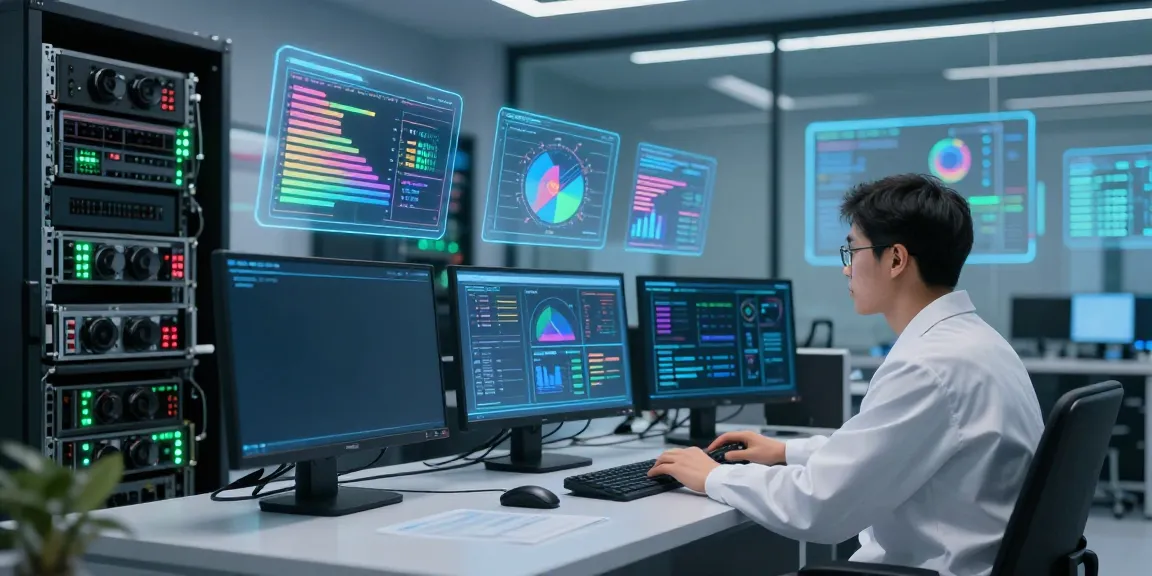
Understanding Queue Detection Software
What is Queue Detection Software?
Queue detection software is a sophisticated solution designed to monitor and manage the flow of people or vehicles in various settings. By utilizing advanced technologies such as computer vision, artificial intelligence, and machine learning, this software enables organizations to analyze, predict, and optimize queue lengths and wait times effectively. This provides significant advantages in enhancing both operational efficiency and customer satisfaction. When integrated with appropriate systems, queue detection software can deliver real-time insights that facilitate better decision-making and improve overall service delivery.
Key Features of Queue Detection Software
- Real-time Monitoring: Offer instantaneous feedback about queue lengths, wait times, and service rates, enabling dynamic decision-making.
- Data Analytics: Provide detailed reports on queue metrics, enabling businesses to identify trends, peak times, and performance issues.
- Alerts and Notifications: Automatically notify staff of congested areas to take corrective actions promptly.
- Integration Capabilities: Seamlessly connect with existing software systems, enhancing overall operational workflow.
- User-friendly Interface: Ensure ease of use for staff, facilitating quick adoption and effective application of the software.
Benefits of Implementing Queue Detection Software
The implementation of queue detection software brings numerous benefits to organizations across various sectors:
- Enhanced Customer Experience: By reducing wait times through efficient queue management, customers are less frustrated and more likely to return.
- Increased Operational Efficiency: Businesses can deploy resources more effectively, ensuring optimal staffing and inventory levels during peak times.
- Data-Driven Decisions: Analyzing queue data allows organizations to make informed changes to operations and improve service delivery.
- Cost Savings: Reducing congestion can lead to lower operational costs and improved utilization of resources.
- Scalability: As businesses grow, queue detection software can be scaled to accommodate increased traffic without losing efficiency.
Types of Queue Detection Systems
Real-Time Queue Detection Solutions
Real-time queue detection solutions provide instantaneous data on queue status, enabling proactive management of customer flow. These systems can utilize various technologies, including:
- Video Analytics: Leveraging video feeds from security cameras, these systems can detect queue lengths and waiting times accurately.
- Sensor-Based Monitoring: Using infra-red or laser sensors to measure proximity and count individuals in a specific area.
- Mobile Applications: Providing customers with updates on their queue status through notifications, enhancing customer engagement.
AI and Machine Learning in Queue Detection
Artificial intelligence and machine learning play a crucial role in the evolution of queue detection systems. These technologies allow for pattern recognition, predictive analytics, and automated decision-making processes.
For instance, a system utilizing machine learning algorithms can analyze historical data to forecast peak times and adjust staff levels accordingly. Furthermore, these systems can learn from real-time data to continuously improve their accuracy and efficiency in managing queues.
Challenges in Queue Detection Technology
Despite the benefits, implementing queue detection software does not come without challenges. Some of the common issues faced by organizations include:
- Initial Cost: The upfront investment for quality queue detection systems can be significant, potentially deterring businesses.
- Integration Complexity: Merging new systems with existing infrastructure can present technical hurdles.
- Data Privacy Concerns: Handling personal data must comply with regulations like GDPR to protect customer information.
- Staff Training: Employees must be trained to utilize the system effectively or the full potential may not be realized.
Implementing Queue Detection Software
Initial Steps for Deployment
Implementing queue detection software involves careful planning and execution. Key initial steps include:
- Needs Assessment: Evaluate the specific requirements based on traffic patterns, customer behavior, and operational goals.
- Vendor Selection: Research and choose a vendor that provides the necessary features and meets budget constraints.
- System Pilot Testing: Conduct a pilot test of the software to evaluate its effectiveness before a full roll-out.
Best Practices for Successful Implementation
To ensure successful implementation, businesses should follow these best practices:
- Cross-Functional Involvement: Engage various departments, including IT, customer service, and operations, to gather diverse inputs.
- Phased Implementation: Deploy the system in phases to minimize disruption and gain insights for optimization.
- Regular Reviews: Continuously evaluate performance post-implementation and adjust strategies accordingly.
Employee Training and Adoption Strategies
Employee buy-in is essential for the success of queue detection software. Strategies for training and adoption include:
- Comprehensive Training Programs: Develop training that covers all aspects of the software to ensure staff can navigate it confidently.
- Feedback Mechanism: Establish a system for employees to provide feedback on the software’s usability and effectiveness.
- Continuous Education: Offer ongoing training sessions to keep employees updated on new features and best practices.
Performance Metrics for Queue Detection Software
Analyzing Queue Flow and Customer Experience
Measuring the effectiveness of queue detection software requires key metrics. Important aspects to analyze include:
- Average Wait Time: Monitor how long customers wait in line to identify any bottlenecks.
- Queue Length: Track queue sizes during different times to manage resources effectively.
- Customer Satisfaction: Collect feedback through surveys to gauge satisfaction levels and identify areas of improvement.
Key Performance Indicators (KPIs)
Establishing KPIs for evaluating queue detection software is critical for ongoing success. Relevant KPIs may include:
- Service Efficiency: The ratio of service completed to the number of customers served during peak times.
- Staff Utilization: Measure how effectively staff members are utilized in relation to customer flow.
- Reduction in Abandoned Carts: Particularly relevant for retail, this metric tracks how many customers leave without completing a purchase due to long lines.
Continuous Improvement Using Data Insights
Utilizing the data gathered through the queue detection software enables organizations to foster a culture of continuous improvement. Regularly analyze performance reports to identify trends, optimize staffing strategies, and improve the customer experience proactively. Develop a structured plan to implement necessary changes and test the resultant impact on operational metrics.
Frequently Asked Questions About Queue Detection Software
What industries benefit from queue detection software?
Industries such as retail, transportation, healthcare, and hospitality significantly benefit by enhancing operational efficiency, customer satisfaction, and resource management.
How does queue detection software improve customer service?
It minimizes wait times and streamlines the service process, leading to improved satisfaction and a positive overall customer experience.
What resources are required for implementation?
Necessary resources typically include hardware (cameras, sensors), software licenses, staff training, and ongoing IT support for system integration.
Can queue detection software integrate with existing systems?
Yes, most queue detection software solutions are designed to integrate with existing infrastructure for seamless operational continuity.
What are the costs associated with queue detection software?
Costs vary widely depending on features, scale, vendor selection, and implementation complexity, requiring a budget assessment prior to purchase.