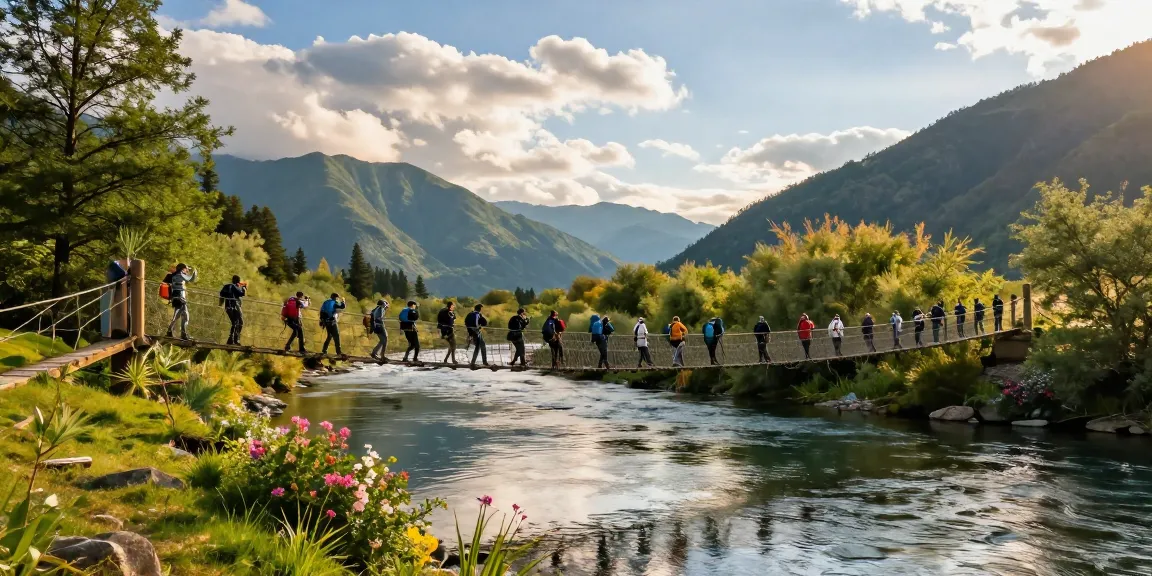
Understanding River Rope Bridges
River rope bridges are a fascinating blend of engineering and nature, celebrated for their versatility and aesthetic appeal. These structures not only serve as practical means of crossing waterways but also enhance the beauty of the landscapes they inhabit. As more people seek unique outdoor adventures, the popularity of River Rope Bridge installations has surged, attracting both tourists and locals alike.
What is a River Rope Bridge?
A river rope bridge, often referred to as a suspension or hanging bridge, is constructed using ropes or cables suspended between two points, allowing for a pedestrian crossing over a river or gorge. These bridges come in various designs, ranging from simple, rustic crossings made from natural materials to elaborate constructions featuring modern engineering techniques. Typically, they are popular in areas where traditional bridge construction is impractical due to environmental constraints or budgetary limitations.
Historical Significance of Rope Bridges
The concept of rope bridges is not a modern invention; they have been around for centuries and have played a significant role in various cultures worldwide. For instance, the Inca civilization in Peru built suspension bridges using plant fibres, which are still in use today, symbolizing ingenuity and the human capacity to adapt to challenging environments. Similarly, in Bhutan, the traditional jowo bridges made from bamboo and vines have been vital for community connectivity in remote regions.
Different Types of River Rope Bridges
- Suspension Bridges: These are characterised by cables that support the deck, making them ideal for spanning long distances over rivers.
- Hammock Bridges: Typically used in adventure parks, these bridges consist of a series of ropes that create a swinging effect as users cross.
- Traditional Rope Bridges: Often made of natural materials, these bridges blend seamlessly with the environment and have been used for generations in rural areas.
- Modern Rope Bridges: Utilising advanced materials like synthetic cables and composites, these bridges incorporate safety features and design innovations.
Benefits of River Rope Bridges for Adventure
River rope bridges offer numerous advantages, particularly for those seeking adventure and outdoor exploration. They facilitate access to scenic views and remote areas while promoting physical activity.
Enhancing Outdoor Experiences
Crossing a river rope bridge can be an exhilarating part of outdoor adventures such as hiking, rock climbing, or eco-tourism. The thrill of traversing a swaying bridge can enhance the overall experience, making it memorable for individuals and families. Additionally, these bridges often provide stunning vistas, creating perfect opportunities for photography and birdwatching.
Accessing Remote Areas
In many regions, river rope bridges serve as critical links to remote villages and hiking trails. They allow for the safe passage of locals and tourists alike, circumventing obstacles that might otherwise impede travel. This accessibility promotes tourism and can lead to economic benefits for local communities, encouraging environmental stewardship and conservation efforts.
Environmental Impact Considerations
Building a river rope bridge generally has a lower environmental impact compared to traditional concrete or steel bridges. By using sustainable materials and designs that follow the natural contours of the land, these bridges can integrate harmoniously with the surrounding landscape. However, it’s essential to consider the ecological footprint during the construction and maintenance phases, ensuring that wildlife habitats remain undisturbed.
Building and Maintaining River Rope Bridges
The construction of river rope bridges requires careful planning and execution. Understanding the materials needed and adhering to safety standards is paramount for longevity and safety.
Materials Needed for Construction
- Ropes and Cables: High-tensile ropes or cables made from synthetic materials are preferred for their strength and durability.
- Posts and Anchors: Wooden or metal posts are used to anchor the ropes, ensuring stability and support.
- Decking Materials: Depending on the intended use, wooden planks or grating can be used for the walking surface.
Best Practices for Safety
Safety should always be a priority when constructing and using river rope bridges. Regular inspections for wear and tear, load testing, and adherence to local regulations are critical steps in ensuring safety. Training for users on how to navigate these structures is also essential, particularly in areas with high foot traffic.
Inspection and Maintenance Tips
Routine maintenance checks can prolong the life of a river rope bridge. Essential practices include:
- Regularly checking ropes for fraying or deterioration.
- Ensuring all anchors and supports remain secure.
- Cleaning the bridge deck to prevent slipping hazards.
Popular River Rope Bridges Around the World
Many river rope bridges around the globe have gained recognition for their unique designs and cultural significance.
Iconic Examples of Rope Bridges
One of the most famous rope bridges is the Carrick-a-Rede Rope Bridge in Northern Ireland, which connects the mainland to a small island and offers breathtaking views of the Atlantic Ocean. Another notable example is the Qeswachaka Bridge in Peru, a traditional Incan bridge that has been rebuilt annually by local communities for centuries, preserving a unique cultural heritage.
Visitor Experiences and Attractions
Bridges like the Capilano Suspension Bridge in Canada attract thousands of tourists each year, featuring walkways through the treetops and panoramic views of the surrounding rainforest. Such experiences help visitors connect with nature while enjoying the thrill of crossing high above the ground.
Cultural Significance in Local Communities
Rope bridges often play a crucial role in community identity, representing historical trades, cultural practices, and stories of resilience. They are living monuments to the ingenuity of communities in overcoming geographical challenges.
Future Trends in River Rope Bridge Construction
As technology and environmental awareness evolve, so do the designs and construction methodologies of river rope bridges.
Innovative Designs and Materials
Future rope bridges are likely to incorporate smart technology, such as sensors that monitor structural integrity and environmental conditions. These innovations can contribute to enhanced safety and longevity, offering new possibilities for bridge design and functionality.
Sustainability in Bridge Building
There is an increasing demand for sustainable construction practices. The use of recycled materials and designs that minimize ecological disruption are trends likely to influence future river rope bridge projects significantly.
The Role of Technology in Bridge Accessibility
Emerging technologies like drones and augmented reality can assist in both the construction and inspection processes of rope bridges, improving accessibility and efficiency. These advancements pave the way for broader applications in remote and challenging terrains.
What are the benefits of a River Rope Bridge?
River rope bridges provide numerous benefits, including facilitating access to remote areas, enhancing outdoor recreational opportunities, and serving as sustainable alternatives to traditional bridge constructions.
Where can I find River Rope Bridge kits?
Many outdoor and adventure supply stores offer river rope bridge kits that include all necessary materials for DIY enthusiasts looking to construct their own bridges securely and safely.
How much does it cost to install a River Rope Bridge?
The cost of installing a river rope bridge can vary greatly depending on the design, materials used, and location. Generally, budgets can range from a few thousand to tens of thousands of dollars.
What are the safety measures for River Rope Bridges?
Safety measures typically include regular inspections, proper training for users, and the implementation of weight limits to prevent structural stress.
How to maintain a River Rope Bridge?
Maintenance involves routine inspections for wear and tear, ensuring stability of all components, and cleaning the bridge deck to improve safety for users.