Introduction to Excavator and Its Importance
Excavators play a crucial role in modern construction, forestry, and mining industries. These powerful machines, often regarded as heavy construction equipment, are essential for various tasks such as digging trenches, material handling, demolition, and more. Their versatility allows for applications ranging from residential building projects to large-scale infrastructure developments. Understanding the importance of excavators and their cross-functional capabilities is vital for anyone engaged in construction or heavy machinery operations. To learn more about excavator rental services, it’s helpful to explore their definition and functions, historical evolution, and significant roles in construction.
Definition and Functionality of Excavator
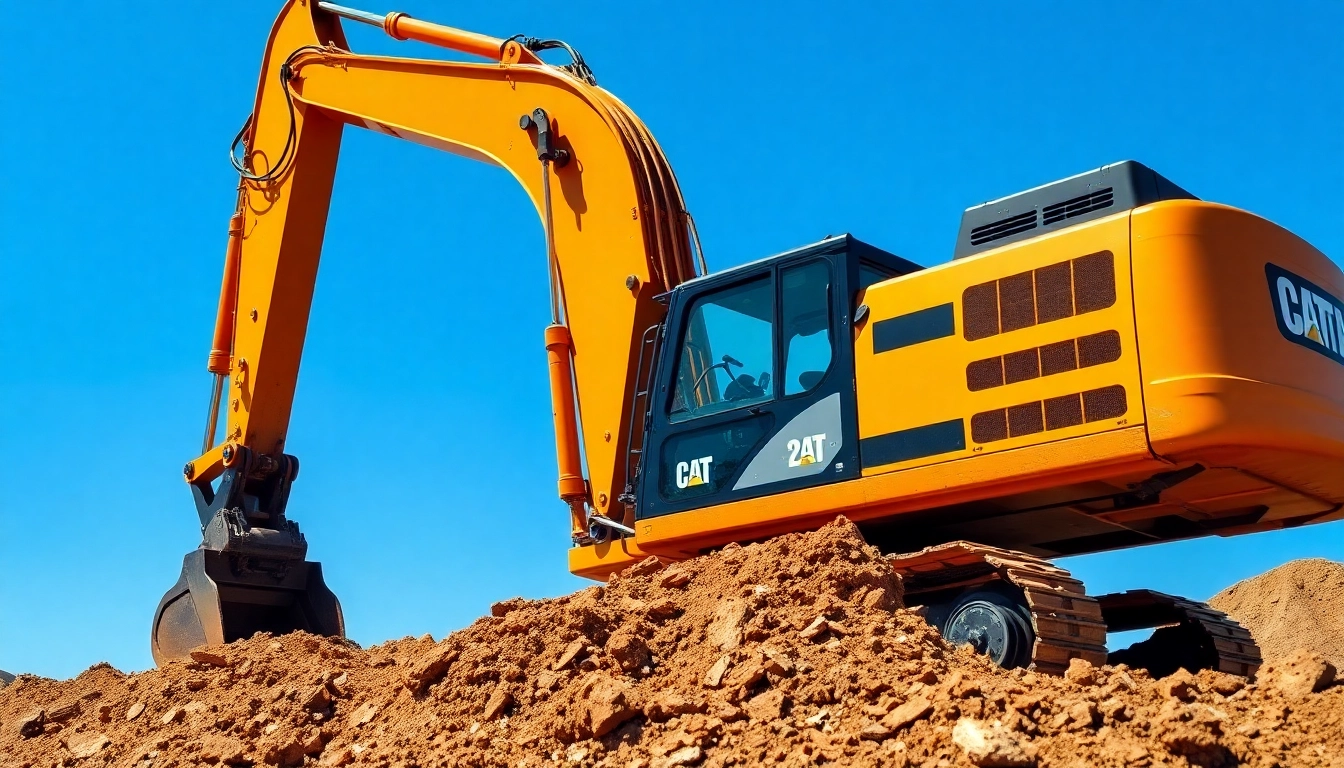
An excavator is a piece of heavy machinery designed for digging, lifting, and moving earth and materials. It typically consists of a boom, dipper (or stick), bucket, and a cab mounted on a rotating platform known as the "house." The house sits atop an undercarriage equipped with tracks or wheels. The ability to rotate 360 degrees makes excavators particularly useful for tasks requiring extensive maneuverability.
Historical Evolution of Excavators
The evolution of excavators reflects advancements in engineering and technology. The earliest forms of excavation equipment were steam-powered shovels used in the 19th century. As technology improved, hydraulic systems were introduced, allowing excavators to perform tasks more efficiently and with greater precision. The introduction of computer-aided design and automation has further transformed excavators, leading to enhanced performance, user control, and safety features.
Role of Excavators in Construction
Excavators are indispensable in construction projects, serving a variety of roles. They assist in site preparation by clearing land, digging foundations, and moving materials. Demolition projects benefit from excavators, as they can efficiently dismantle structures. Moreover, excavators are used in heavy lifting applications, such as repositioning large rocks or moving construction debris. Their ability to adapt with different attachments, like grapples or augers, significantly enhances their functionality in construction settings.
Types of Excavators Available
Mini Excavator Overview
Mini excavators are compact and lightweight versions of traditional excavators, ideal for small to medium-sized projects like residential landscaping or small construction tasks. Their reduced size allows for versatility in tight spaces and increased maneuverability. These machines typically have a maximum operating weight ranging from 1 to 6 tons. Resources like operating manuals can provide guidance on best practices for their use.
Standard Excavators: Features and Benefits
Standard excavators, often referred to as full-sized excavators, are equipped with powerful hydraulic systems that provide high lifting capacities and digging depths. Typically, they weigh between 15 to 40 tons and are used for large-scale excavation projects such as grading, mining, and substantial landscaping applications. Their robust construction ensures durability and prolonged service life, making them a worthwhile investment for contractors.
Specialized Excavators for Unique Tasks
Some excavators are designed for specialized tasks, enhancing performance in specific conditions or industries. For instance, amphibious excavators can operate in wetland or marshy environments, allowing for dredging or land reclamation. Similarly, high-reach excavators are configured for high-rise demolition projects, enabling operators to reach tall structures that standard excavators cannot. Understanding the unique features of these machines can greatly influence project outcomes.
Key Factors to Consider When Choosing an Excavator
Project Requirements and Size Specifications
When selecting an excavator, it’s crucial to consider the project requirements, including the size of the site, the scope of work, and specific tasks that will be carried out. Smaller projects might necessitate a mini excavator, while larger sites often require standard or specialized models to ensure efficiency and effectiveness in completion. Evaluating the physical dimensions of the excavator in relation to the workspace is essential to prevent operational hurdles.
Budgeting for Your Excavator Purchase
Budgeting for an excavator purchase involves accounting for initial costs, maintenance expenses, and potential repair costs over time. New excavators can range significantly in price based on size, features, and brand prestige, from tens of thousands to hundreds of thousands of dollars. Many contractors may opt for used excavators to reduce costs while still obtaining reliable machinery. Financial evaluations based on expected usage and workload can optimize investment.
Evaluating Brand Reliability and Maintenance
Brand reliability has a direct impact on the longevity and performance of excavators. Researching manufacturers, reading customer reviews, and examining warranty options are crucial steps when selecting an excavator. Additionally, understanding maintenance requirements associated with different models will aid in ensuring operational efficiency and preventing costly downtime due to repairs.
Operating an Excavator Safely and Efficiently
Essential Safety Protocols for Excavator Operation
The safety of machine operators and surrounding personnel is paramount in any construction environment. Operators should be trained on proper excavator operation, including safety protocols such as wearing protective gear, understanding machine limitations, and being aware of site-specific hazards. Conducting regular safety checks before operation can mitigate risks.
Training and Certification for Operators
Proper training and certification for excavator operators ensure that they possess the necessary skills to handle the machinery effectively. Many regions require certification programs, which cover topics such as operational techniques, safety measures, and emergency handling. Investing in continuous training helps improve safety standards and operational efficiency on the job.
Best Practices for Maximizing Excavator Performance
To maximize an excavator's performance, operators should engage in routine preventive maintenance, such as fluid checks and component inspections. Understanding the specific functions of various attachments and their impact on job efficiency can also lead to improved performance. Additionally, optimizing worksite organization helps operators perform tasks more effectively and enhances overall productivity.
Future of Excavators in Construction Technology
Innovations in Excavator Design
The future of excavators is closely tied to technological innovations that enhance their capabilities. Advancements in materials, hydraulics, and ergonomics contribute to the development of more powerful and user-friendly machines. Additionally, new designs may incorporate eco-friendly elements, such as hybrid electric systems aimed at reducing environmental impact while maintaining high performance levels.
Integration of Smart Technology
Smart technology integration into excavators is set to revolutionize the industry. Features such as GPS-guided excavation systems and remote monitoring capabilities allow for increased precision in operations, improving both productivity and safety. The use of real-time data analytics can enable predictive maintenance, reducing downtime and repair costs, ultimately transforming how projects are managed.
Environmental Considerations and Sustainability
As environmental awareness grows, the construction industry is increasingly focusing on sustainable practices. Excavator designs are evolving to incorporate fuel-efficient engines and low-emission technologies. Additionally, companies are exploring ways to use excavators for sustainability-oriented tasks, like site restoration and landscape rehabilitation, promoting a more sustainable approach to construction and earth-moving tasks.
Frequently Asked Questions
What types of projects typically require an excavator?
Excavators are commonly used for digging foundations, landscaping, demolition work, pile driving, and heavy lifting tasks in construction and earthmoving projects.
How do I choose the right excavator size for my project?
The chosen size of the excavator should match the scale of the project, the space available for operation, and the type of tasks required. Smaller projects often benefit from mini excavators.
What maintenance is needed for an excavator?
Regular maintenance for excavators should include checking fluid levels, inspecting hydraulic systems, and routine cleaning. Follow the manufacturer's maintenance schedule for optimal performance.
Are there used excavators worth considering?
Yes, purchasing used excavators can be a cost-effective option. It's vital to inspect the machine's condition, maintenance history, and performance records before buying.
How can I ensure safe operation of an excavator?
Ensure safe operation through adequate training, adherence to safety protocols, use of personal protective equipment, and routine operational checks before use.
Contact Information
Call Us: 4062607988Address: 3906 MT-40, Columbia Falls, MT 59912