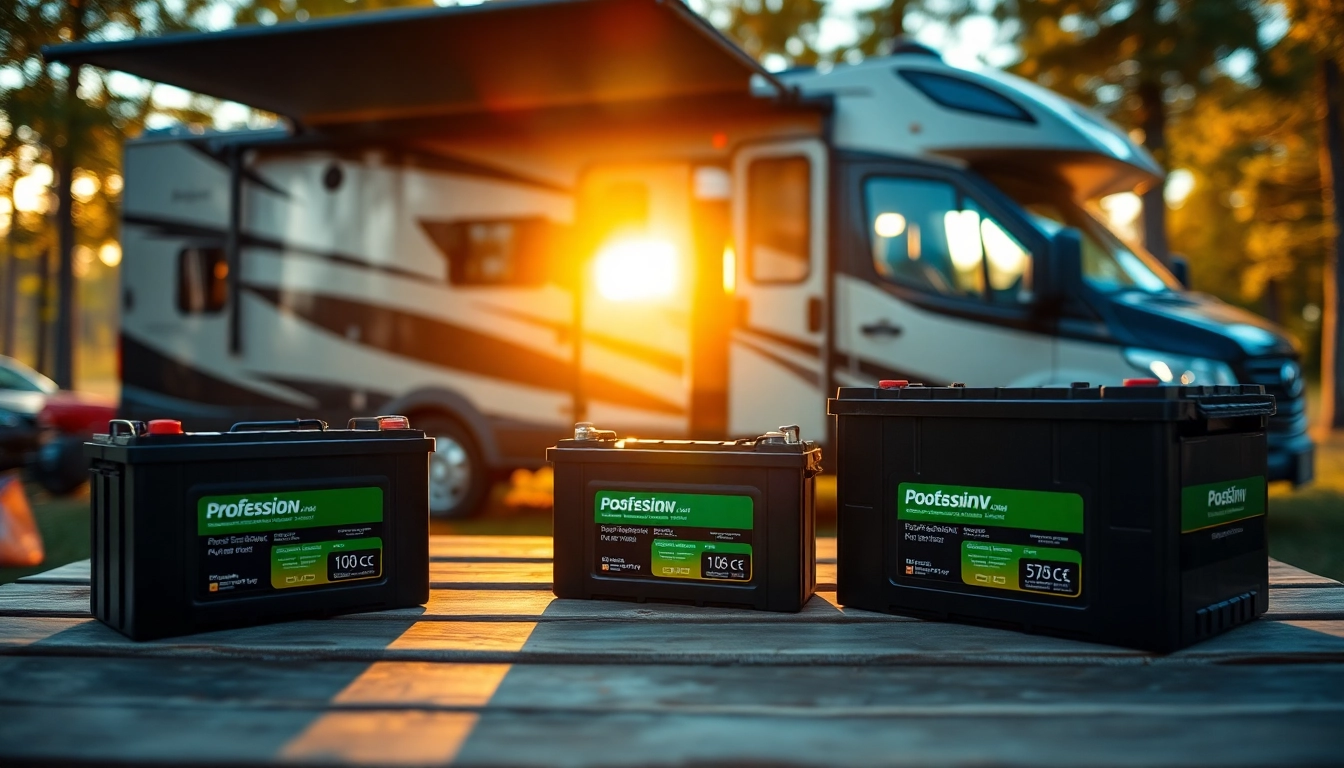
The Basics of Lithium RV Batteries
1. What Are Lithium RV Batteries?
Lithium RV batteries, specifically lithium iron phosphate (LiFePO4) batteries, are a type of rechargeable battery uniquely suited for recreational vehicles. Unlike traditional lead-acid batteries, these modern energy storage solutions offer a multitude of benefits. They are significantly lighter, longer-lasting, and capable of deeper discharges without damage, making them ideal for RV applications where weight and performance are crucial considerations. The innovation of these batteries lies in their ability to provide consistent power output while maintaining a compact size.
2. Key Advantages Over Traditional Batteries
Switching to lithium RV batteries comes with a host of advantages over conventional lead-acid batteries:
- Longer Lifespan: Lithium batteries can last 10-15 years, outperforming the typical 3-5 years of lead-acid batteries.
- Faster Charging: These batteries charge much quicker, often completing a full charge in a few hours.
- Higher Efficiency: Lithium batteries can discharge to a greater extent (up to 80-90%) without damage, providing more usable power.
- Weight Savings: They are significantly lighter, reducing overall vehicle weight, which can enhance fuel efficiency.
- Better Temperature Management: Lithium batteries perform well in extreme temperatures, ensuring reliability during various weather conditions.
3. Understanding Battery Chemistry and Types
The chemistry of batteries plays a crucial role in their performance and suitability for RV applications. Lithium iron phosphate (LiFePO4) is the most commonly used chemistry for RV batteries due to its balance of power, safety, and longevity. Other lithium types like lithium cobalt oxide and lithium manganese oxide are less common in this context. A clear understanding of the different types facilitates informed decisions when selecting a battery, as they each have unique discharge characteristics, thermal stability, and energy efficiencies.
Choosing the Right Lithium RV Batteries
1. Evaluating Capacity and Voltage Requirements
When selecting lithium RV batteries, first assess your power needs. The capacity of batteries is measured in amp-hours (Ah), which represents how much energy they can deliver. For instance, if you plan to run a refrigerator drawing 5 amps for 10 hours, you'll need at least a 50Ah battery. Consider future energy requirements as well, such as adding additional appliances or increased usage during trips. Common configurations include 100Ah, 200Ah, and up, catering to varying energy needs.
2. Essential Features to Look For
Not all lithium RV batteries are created equal. Essential features to consider include:
- Built-in Battery Management System (BMS): This protects the battery from overcharging, undervoltage, and overheating.
- Weight and Size: Ensure the battery fits in your RV’s designated battery compartment without exceeding weight limitations.
- Thermal Management: Some batteries come equipped with heating or cooling enhancements to maintain performance in varying temperatures.
- Warranty and Support: A strong warranty indicates manufacturer confidence in their product and offers peace of mind.
3. Comparing Costs and Lifespan
While lithium RV batteries may have a higher upfront cost compared to lead-acid options, the long-term savings can be significant. With a lifespan that often exceeds 10 years, lower maintenance costs, and fewer replacements, lithium batteries prove to be more economical in the long run. Additionally, they frequently come with warranties that reflect their durability and reliability, making them a worthwhile investment for frequent RV travelers.
Installation and Maintenance Tips
1. Preparing Your RV for Battery Installation
Preparation is key before installing Vatrer Power. Start by identifying the appropriate location for the battery, considering ventilation and accessibility for maintenance. Ensure your existing wiring is suitable for the new batteries, focusing on gauge size and condition. Familiarize yourself with the specifications of your lithium setup to ensure compatibility with existing RV systems.
2. Step-by-Step Installation Guide
Installing lithium RV batteries can be straightforward if you follow these steps:
- Disconnect the Power: Before beginning the installation, disconnect any existing batteries and turn off all power sources to avoid shock.
- Remove Old Batteries: Take out the old battery system, noting connections for reference.
- Install the Lithium Batteries: Securely connect the positive and negative terminals of the new batteries according to the manufacturer’s instructions.
- Reconnect Power: Once wired, reconnect main power to the RV and check for any issues.
3. Maintenance Best Practices for Longevity
Maintaining lithium RV batteries requires a minimal yet discerning approach. Regularly check for corrosion on terminals and ensure all connections are tight. Monitor the voltage levels using a battery management system or a multimeter. If possible, apply periodic equalization charges to ensure all cells are balanced, further extending the battery's lifespan.
Maximizing Performance of Lithium RV Batteries
1. Effective Charging Strategies
Proper charging is critical for lithium RV batteries. Utilize a compatible lithium charger to avoid damaging the batteries. It's advisable to charge them fully (to 100%) whenever possible, as this helps maintain optimal performance. Additionally, consider solar panels if you plan on extended trips, as they can provide an excellent supplementary power source and keep batteries topped up effectively.
2. Managing Battery Usage During Trips
To maximize the performance of lithium RV batteries during your travels, effectively manage your power consumption. Prioritize essential appliances first, and consider using energy-efficient devices, such as LED lights, to reduce overall drain. Solar or wind energy harvesting systems can also augment your energy reserves while on the road, empowering longer off-grid experiences.
3. Monitoring Battery Health for Optimal Performance
Invest in a battery monitoring system to keep tabs on charge levels, voltage, and temperature. This allows for real-time assessments of battery health and prompts maintenance actions when needed. Early detection of any issues will prevent more severe problems down the line, ensuring your batteries perform at their best throughout their lifespan.
Frequently Asked Questions about Lithium RV Batteries
1. Are lithium batteries worth it for an RV?
Yes, for frequent travelers, lithium RV batteries offer longer lifespan and better efficiency, making them more cost-effective than lead-acid batteries.
2. How long will a lithium battery last in an RV?
Typically, 12V 300Ah Lithium Battery can last 10-15 years with proper management, significantly outlasting traditional batteries.
3. Can I install lithium batteries myself?
Yes, installation is straightforward for those familiar with RV systems. Follow direct guidelines, but consult a professional if uncertain.
4. What size lithium battery do I need for my RV?
The size depends on your power needs and types of appliances. Generally, 200Ah is suitable for moderate usage, while larger setups might require more.
5. How do I monitor my lithium RV batteries?
Investing in a battery monitor can help track voltage and charge levels, ensuring optimal performance during your travels.