Understanding the Technology Behind Age Estimation
In an era where technology continues to redefine our interactions and self-perceptions, age estimation apps have surged in popularity. Many individuals are curious about how old they appear compared to their actual age. This curiosity drives traffic to various platforms, providing intriguing insights and entertainment. By utilizing artificial intelligence and complex algorithms, these applications offer an engaging experience for users keen on exploring their perceived age. When exploring options, how old do i look is a prominent platform, reflecting the growing demand for age estimation technology.
What Algorithms Predict Your Facial Age?
At the heart of these age estimation applications lies sophisticated technology that analyzes facial features. Algorithms typically assess various aspects of the human face, including skin texture, wrinkle depth, the presence of blemishes, and even the configuration of facial features. By correlating these characteristics with large datasets comprising images of individuals across different ages, the algorithms can estimate your facial age with surprising accuracy.
The mathematics and computer science behind these algorithms rely on deep learning—a subset of machine learning. Neural networks, specifically convolutional neural networks (CNNs), are trained on vast collections of facial images. This training enables the model to recognize patterns associated with different age groups, which contributes significantly to the accuracy of age predictions.
The Role of AI in Age Estimation Tools
The implementation of AI in age estimation tools enhances their functionality and user experience. AI-powered models can adapt and refine their predictions over time, learning from user interactions and feedback. As users upload more photos or provide feedback on the age estimates, the AI can better understand the nuances and variances in aging across different demographics.
This progressive learning approach is critical for improving the precision of age estimations. AI not only makes age guessing games more interactive but also widens the scope for applications in fields like health diagnostics, where understanding perceived age may correlate with biological health.
How Accurate Are These Apps Really?
While many apps claim high accuracy rates, the truth lies in how they define "accuracy." Most age estimation tools can provide a rough estimate of how old one appears, but the results can vary based on environmental factors, lighting conditions, and even the angle from which the photo is taken. Additionally, age perception is inherently subjective, influenced by cultural standards and personal biases.
Studies indicate that while these tools can be entertaining and often surprisingly close to reality, they should not replace professional assessments in contexts where age estimation is crucial, such as in medical settings. Nevertheless, for casual users, they offer a fun and engaging way to interact with their digital images.
The Social Impact of Age Estimation Apps
The rise of age estimation applications has significantly influenced societal views on aging. As individuals engage with technology to explore perceptions of their age, the stigma surrounding aging may slowly transform. This change is particularly impactful for younger generations who often feel pressured to maintain a youthful appearance.
Changing How We Perceive Aging
Age estimation apps have the potential to reshape our notions of beauty and aging. In a world obsessed with youth, these digital tools can provide a different perspective on how age is perceived. By allowing users to visualize their appearance at different ages, they prompt conversations about self-acceptance and the natural aging process. This shift in perception is crucial in combating ageism and promoting diversity in beauty standards.
Influence on Self-Image and Confidence
For many, the results returned by these apps can significantly impact self-esteem. A result that indicates someone appears younger than their actual age might boost confidence, while an older estimate could lead to anxiety about aging. This duality highlights the psychological effects that technology can impose on individuals' self-image and overall mental health.
As users increasingly rely on these applications, it's essential to promote healthy discussions around the results. Encouraging a balanced perspective can mitigate any negative impacts on self-esteem, helping individuals appreciate their unique beauty regardless of age estimates.
Public Reception: Are We Ready for Honesty?
The reception of age estimation technology is varied, with some embracing the novelty while others express skepticism. Many users appreciate the lighthearted nature of these apps, seeing them as fun tools for entertainment. However, there exists a hesitance concerning the implications of honest assessments of one's age.
Transparency about the limitations and capabilities of these tools is paramount. As developers continue to enhance their algorithms, open communication regarding accuracy and potential biases must accompany advancements. Only with this transparency can users engage with these technologies meaningfully, cultivating a more realistic relationship with age perception.
Privacy Concerns in Age Recognition
As with any technology that utilizes personal data, privacy is a critical concern with age estimation applications. Users must navigate the balance between utilizing these engaging tools and safeguarding their personal information.
Data Usage and User Consent
Most age estimation apps require users to upload photographs, which raises questions regarding data storage and usage. Responsible developers should ensure that clear consent is obtained and that users are informed about how their data will be utilized. Privacy policies must be robust, outlining how long photographs are stored and whether they are used for further training of algorithms.
Users should always be encouraged to review privacy settings and understand their rights concerning their data. This knowledge empowers individuals to make informed decisions about the technology they engage with.
Potential Risks of Facial Recognition Technology
Facial recognition technology, while powerful, carries inherent risks. Concerns surrounding surveillance, misuse of images, and consent must be a part of the discussion as these tools become more integrated into daily life. Malicious use of such technologies can lead to unwanted exposure and privacy violations.
It’s imperative for developers and consumers alike to advocate for ethical practices in the use of facial recognition technologies. Developing regulations that protect users from potential exploitation is essential as the landscape of age estimation continues to evolve.
Best Practices for Safe Use of Age Estimation Apps
To ensure a safe and enjoyable experience with age estimation applications, users should adhere to several best practices:
- Read Privacy Policies: Always review the privacy policy to understand how your data will be used and stored.
- Use Trusted Apps: Opt for applications with a solid reputation and positive user reviews.
- Limit Personal Information: Avoid sharing sensitive personal information unless absolutely necessary.
- Stay Informed: Regularly update yourself on any changes to the app's privacy practices or terms of service.
Fun Ways to Use Age Estimation in Daily Life
Beyond merely gauging your perceived age, age estimation tools can be creatively incorporated into various aspects of daily life. Here are some fun ways to utilize these applications:
Making it a Game with Friends
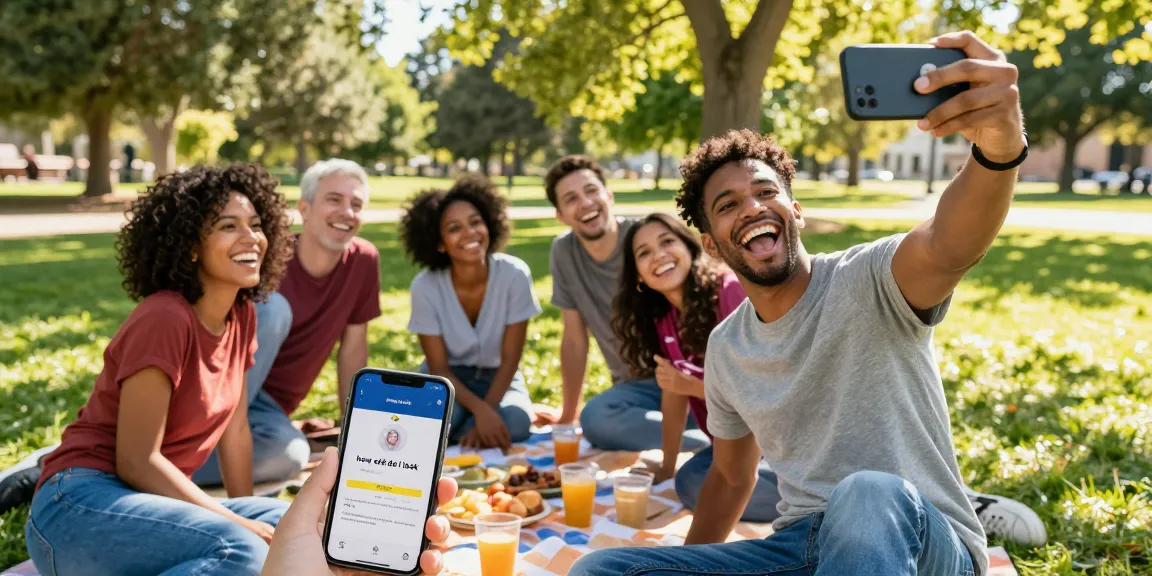
Gather your friends for a light-hearted game night where you all take turns using age estimation apps. Challenge each other to see who looks the youngest or playfully debate the results. This interactive experience promotes laughter and connection among friends, enhancing the enjoyment of the technology.
In Social Media: Sharing Your Results
Social media is a powerful platform for engaging with age estimation fun. Why not share your results and invite your followers to join the challenge? Posting your age estimation outcomes can initiate meaningful discussions about aging perceptions and self-acceptance.
Creative hashtags can also encourage broader engagement, allowing more people to participate and share their experiences.
Using Age Estimation for Creative Projects
Photographers, artists, and creators can leverage age estimation technologies in their work. By visualizing aging in creative projects, artists can explore themes of identity, beauty, and the passage of time. These explorations can yield powerful narratives that resonate with audiences on a personal level.
For example, creating a series of portraits showcasing how a person might appear through various stages of life could ignite dialogue about societal perceptions of age.
The Future of Age Estimation Technology
The future of age estimation is ripe with potential as advancements in technology continue to progress. As these applications become more mainstream, various trends and innovations are poised to shape their evolution.
Trends and Innovations to Watch in 2026
As we approach 2026, several trends are likely to influence the landscape of age estimation technology. Expect to see enhancements in AI algorithms that further refine accuracy and adapt to individual users. Additionally, the incorporation of augmented reality (AR) could provide users a unique way to interact with their perceived age dynamically.
Moreover, expect growing interest in integrating these tools with wellness applications, as users look to address not only their aesthetics but also their overall health and well-being.
The Evolution of User Experience
With the increasing sophistication of user interfaces, future age estimation apps are likely to focus on delivering a seamless experience. Innovations may include real-time face tracking and immediate feedback, allowing users to compare their perceived age across various angles effortlessly.
Personalization will also be key; apps may soon tailor experiences based on user preferences, providing not only age estimates but also curated content relevant to individual users' interests.
Age Estimation as a Tool for Health and Wellness
As society begins to prioritize holistic approaches to health, age estimation technology could play a pivotal role. Understanding perceived age may become a crucial component in health assessments and preventive care. Identifying discrepancies between biological and perceived age could provide valuable insights into a person's overall health and lifestyle choices.
This integration of age estimation technology into health platforms can encourage users to engage in healthier behaviors, fostering a sense of agency and control over their well-being.
What are the best age estimation apps available?
Identifying the top age estimation apps can significantly enhance your experience. Users often advocate for platforms like FaceAge.ai and Fotor for their user-friendly interfaces and engaging features.
How does facial recognition technology work?
Facial recognition technology relies on algorithms that analyze unique facial features to identify individuals or estimate characteristics like age. By examining factors such as skin texture and facial symmetry, these algorithms can determine perceived age accurately.
Can these apps accurately predict your real age?
While many age estimation apps provide estimates close to reality, they are not foolproof. User factors, photo quality, and application algorithms can all influence accuracy.
Are there privacy concerns with using these technologies?
Yes, concerns regarding data privacy and consent are prevalent. Users should remain vigilant about the applications they choose and prioritize those that take their privacy seriously.
How can age estimation apps influence social interactions?
Age estimation apps can foster conversations and challenge societal norms surrounding aging. Sharing results among peers can create new dynamics in social interactions, influencing self-perceptions and perceptions of others.